

This event took place in May 1905 and was initiated by the Jesuit Order, which had long been banned in the Austrian monarchy. For the city’s Polish community and the Catholic Church, this event became, basically, a testament to the revival of Lviv’s Polish character.
History
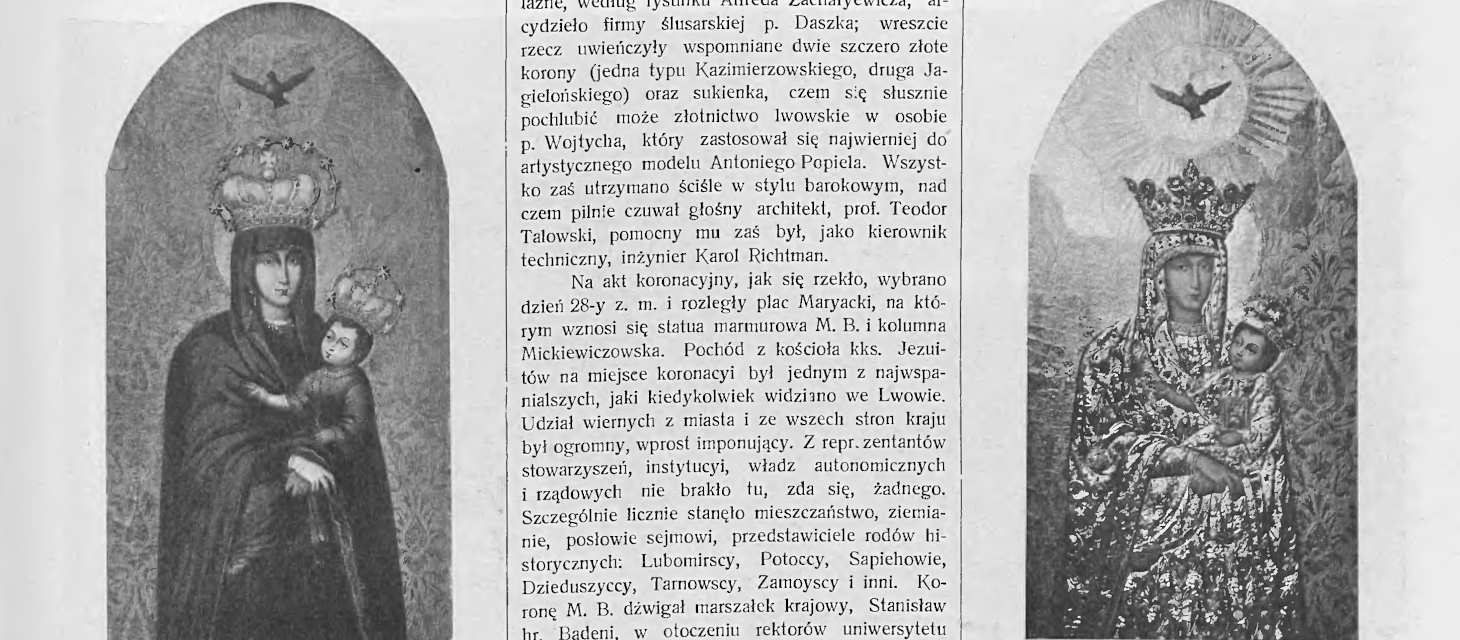
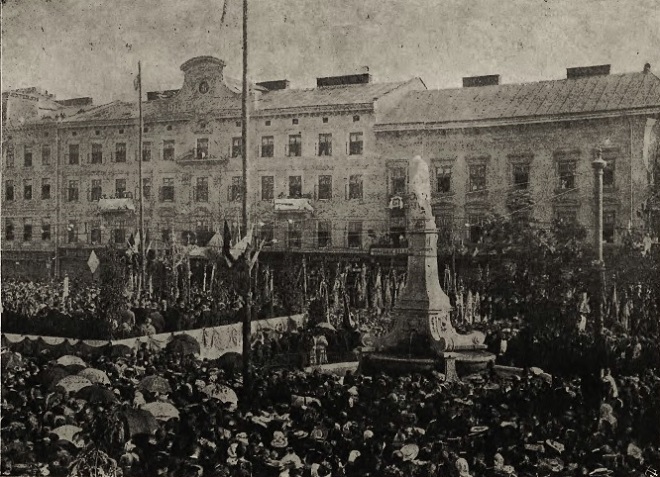
In May 1905, the coronation of the icon of the Virgin Mary took place in Lviv. This event had enormous symbolic significance for the Polish community of the city and for the Catholic Church, gathering several thousand people in the square. Since similar events had been held in Lviv still before the partition of the Polish-Lithuanian Commonwealth (the last one in 1751), and the 1905 icon coronation was initiated by the Jesuit order, which had long been banned by the Austrian authorities, the event was seen as evidence of the city's Polish character revival.
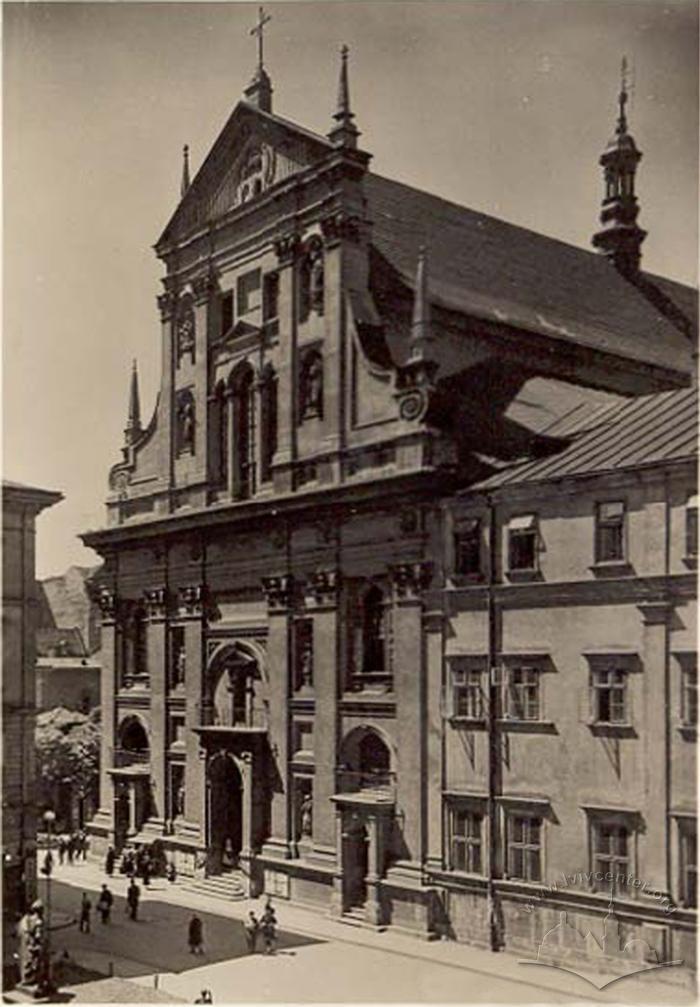
The icon itself was a copy of the Madonna from the Borghese Chapel in the Papal Basilica of Santa Maria Maggiore, given by Pope Pius V as a gift to the Jesuit Order. From 1630, the icon was kept in the Jesuit church in Lviv. In 1773, by order of the government, the icon was stripped of jewels; the Jesuits were only able to return to the city in 1836 after a long ban.
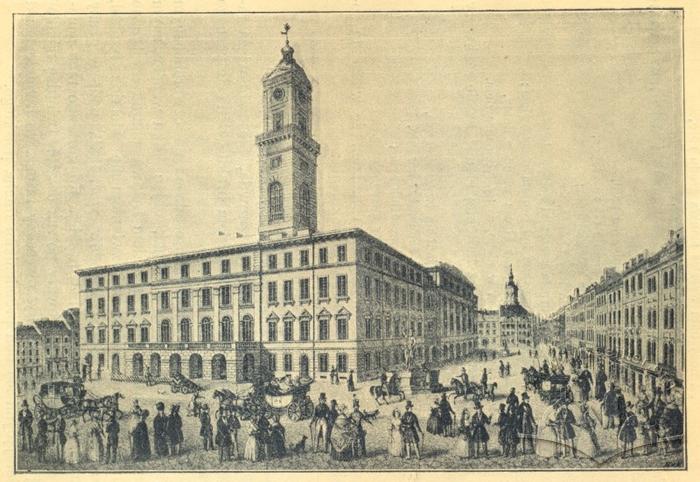
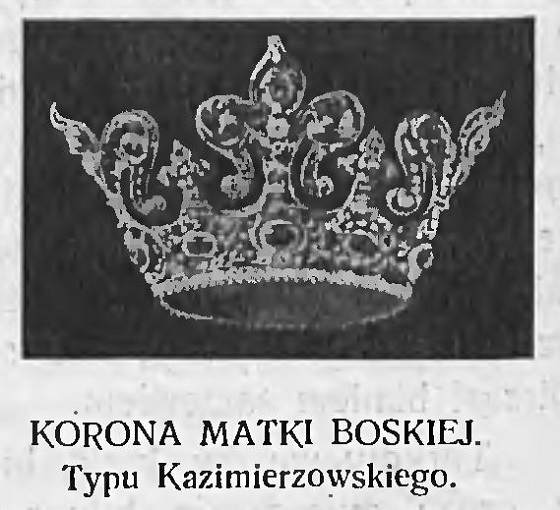
The icon's decorations were symbolic. They were produced in Lviv in the form of the Casimir and Jagiellonian crowns of Poland, while the Virgin Mary was treated by the Polish press as the "Queen of the Polish Crown". In addition, during the celebrations in Lviv, the "Polish tradition" of playing the trumpet (pol. hejnał) was revived: the trumpet sounded from the city hall tower and the balconies of the Jesuit church.



Route
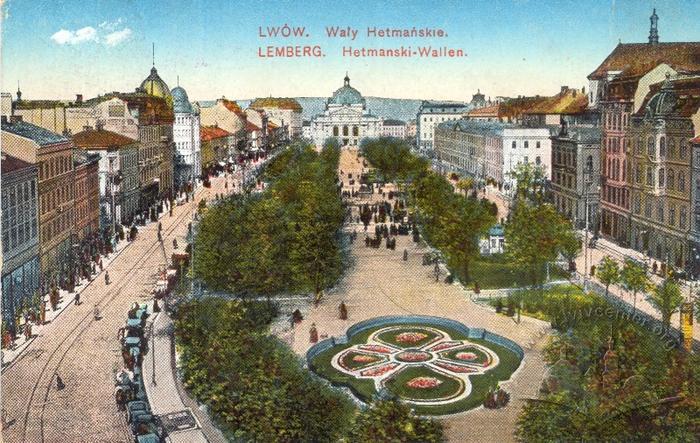
The procession set off from the Jesuit church through pl. Św. Ducha (now pl. Pidkovy) and ul. Hetmańska (now the eastern side of prosp. Svobody) to the sculpture of the Virgin Mary on pl. Mariacki (now pl. Mitskevycha). The return route ran along ul. Teatralna.