The strikes of May 1905 in Lviv
During strikes in May 1905, a trend emerged that manifested itself at its full potential during the construction workers' strike in July: an attempt to play the "patriotic card" in the confrontation between workers and employers. With this in view, the press, posters on the walls, and speeches during rallies or meetings were used.
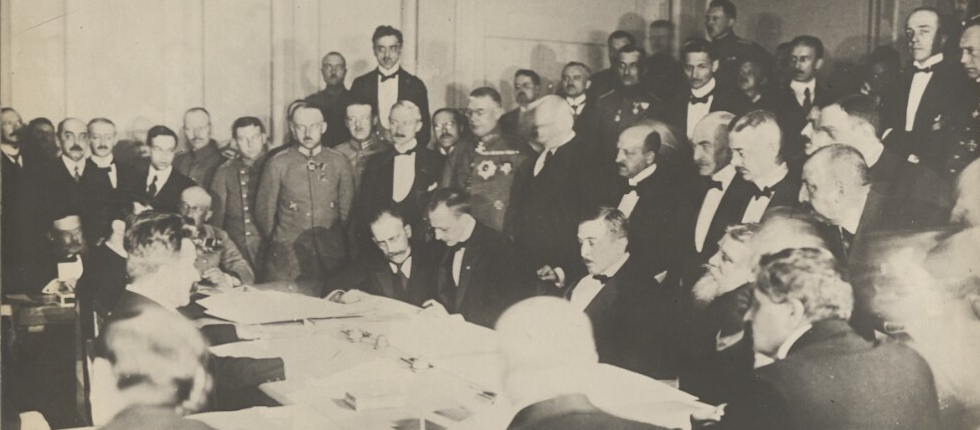
The triumph and collapse of Ukrainian hopes: the Peace of Brest in 1918
The signing of the Peace of Brest became a reason for mass Ukrainian celebrations and protests and strikes by Poles, including in Lviv during 1918.
The Workers' Solidarity Day. May Day celebrations
Workers' Solidarity Day was celebrated in Lviv from 1890. Annual demonstrations became an element of public policy in the city. The Ukrainians, Poles and Jews of Lviv held them together or separately, national issues ultimately prevailing over social ones.
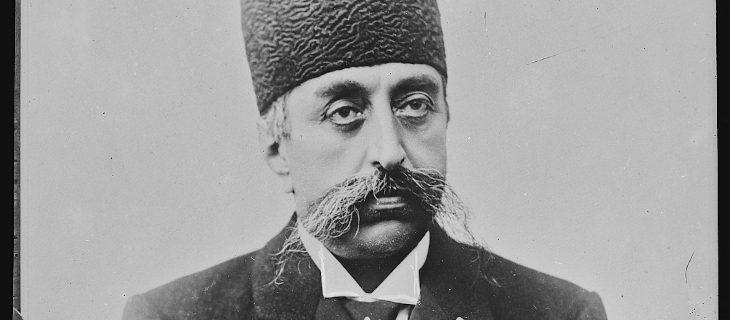
Visit of the shah of Persia (1905)
In 1905 it was the shah's third visit to Lviv. Since Lviv didn't often receive such high-ranking guests, the visit became one of the most important events for local authorities.
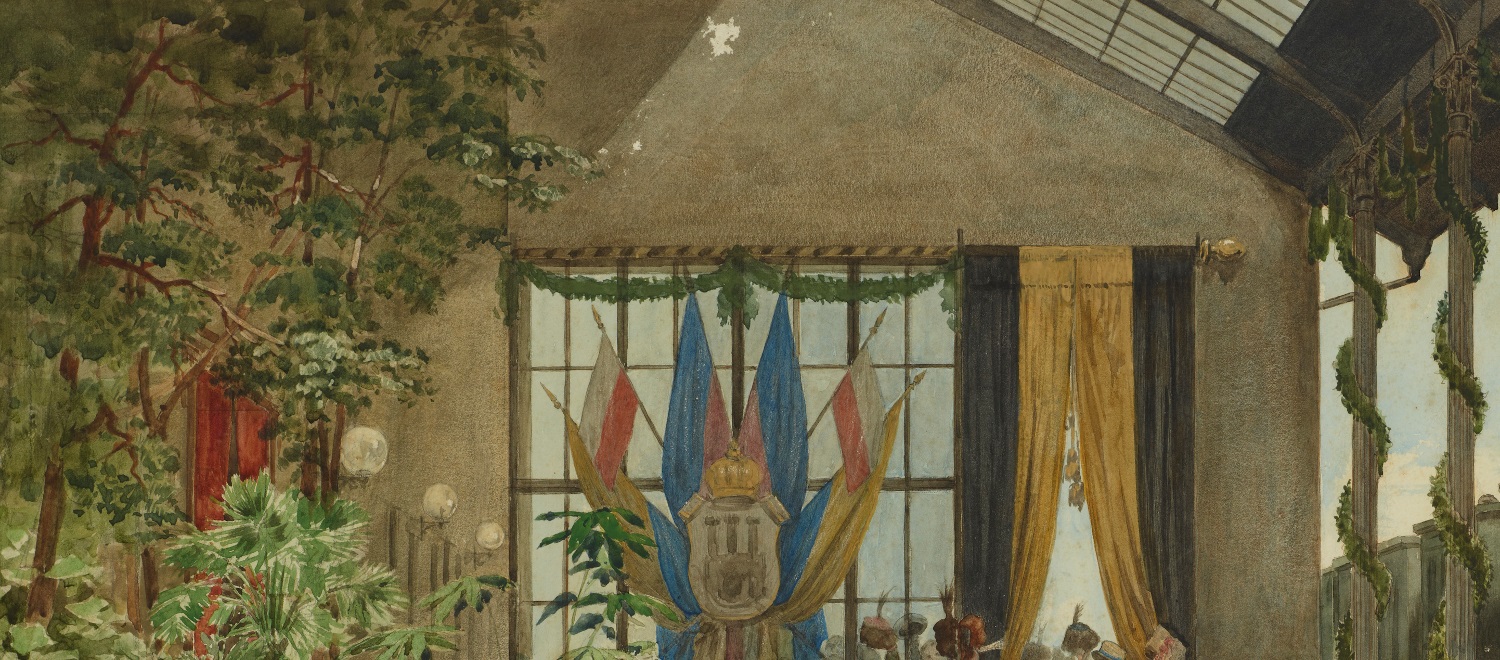
Welcoming guests and showing oneself
The best way to see how Lviv and Lvivites wanted to "show themselves" to the guests of the city is through the stories of imperial visits. In addition to the fact that these visits were very important and revealing, their example can be used to trace the evolution of welcoming guests and self-presentation over the course of half a century. And there were other visits and other guests, less significant, but no less revealing.
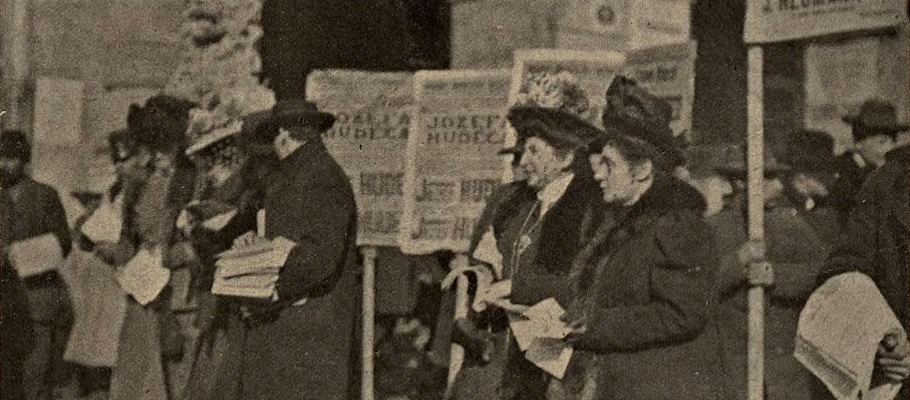
Women's assemblies and the Women's Day
Sunday, May 12, 1912 was declared Women's Day in many European cities. Women's organizations of Austria-Hungary, Lviv included, joined the action together with left-wing political parties.