City in the empire
When the imperial policy moved away from neo-absolutism and the period of liberalization began, the urban elites got many other ways to "show themselves" besides religious rituals and imperial visits. These were, in particular, welcoming distinguished guests, marking public space and mass events related to local history.

Clashes with the police in 1878 during a reception in honour of Otto Hausner, a member of parliament
To honour Otto Hausner, Lviv youth decided to organize a torchlight procession, something that had only been done before in honour of the Emperor's visit.
Commemoration of the 50th anniversary of the abolition of corvee labour held in Lviv (1898)
The anniversary of the "liberation of the peasantry", which was marked by a celebration in the capital of the crown province, was a confirmation of the status of Lviv both as a place where public policy was made and as a symbolic city for which national projects competed. The large-scale character of the "Ruthenian action" was, as usual, to be provided by peasants from throughout the province.
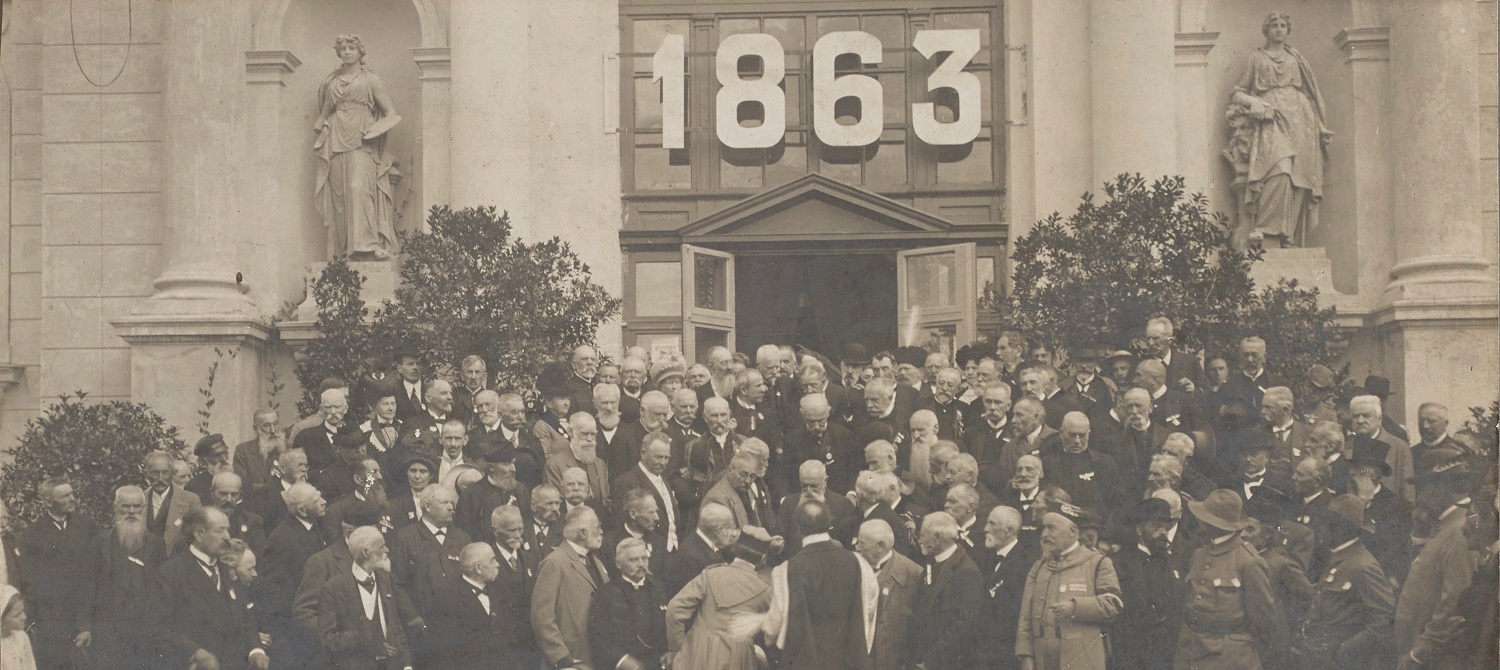
Commemorations of the Polish January Uprising (1888, 1913)
The anniversary of the January Uprising is an important date for the Polish national movement. Given the political situation and the level of freedoms in different parts of the divided Polish-Lithuanian Commonwealth (German, Austrian and Russian), it is natural that the most favorable conditions for celebrating such anniversaries were present in Galicia.
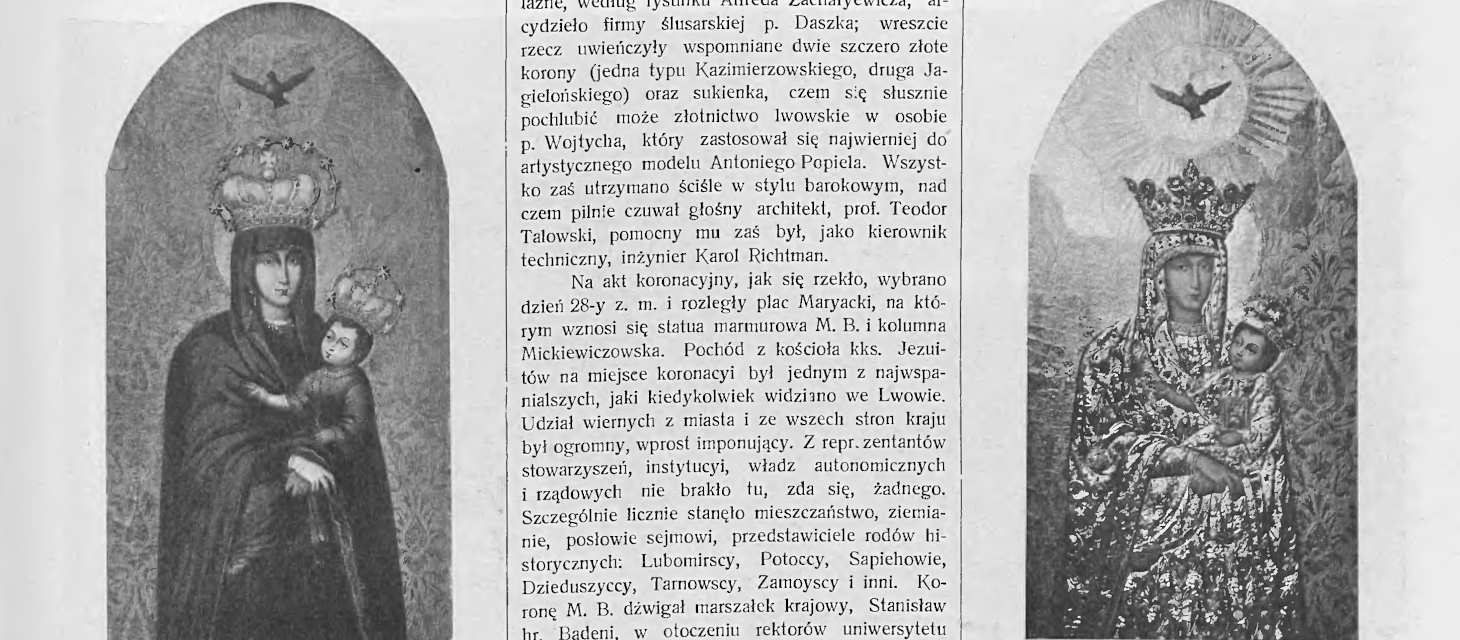
Coronation of the Icon of the Virgin Mary (1905)
Ця подія у травні 1905 року була ініційована орденом єзуїтів, що був протягом тривалого часу забороненим у австрійській монархії. Для польської громади міста і Католицької церкви, по суті, ця подія стала свідченням відродження польського характеру Львова.
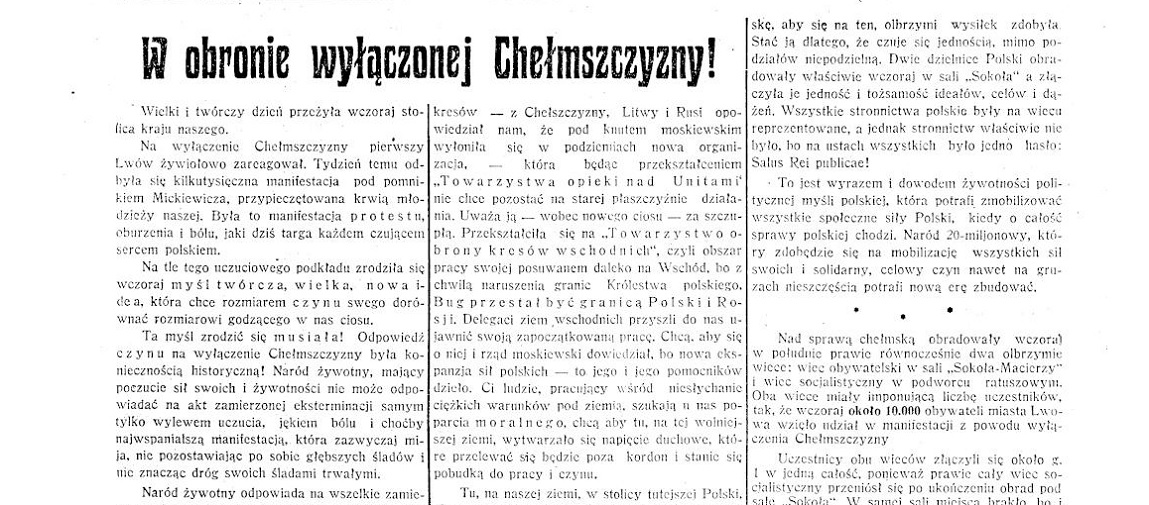
Demonstration over the Kholm/Chełm Land, clashes with the police, and the burning of a portrait of the Russian tsar (1912)
In 1912, the Russian Duma decided to separate the Kholm/Chełm Land from the Kingdom of Poland and to turn it into a separate province. This decision led to mass riots in Lviv, protests against the tsarist policies, conflicts with the police during an attempt to break through to the building of the Russian consulate in Lviv, and the burning of portraits of the tsar and the heir to the Russian throne during a rally near the Adam Mickiewicz monument.
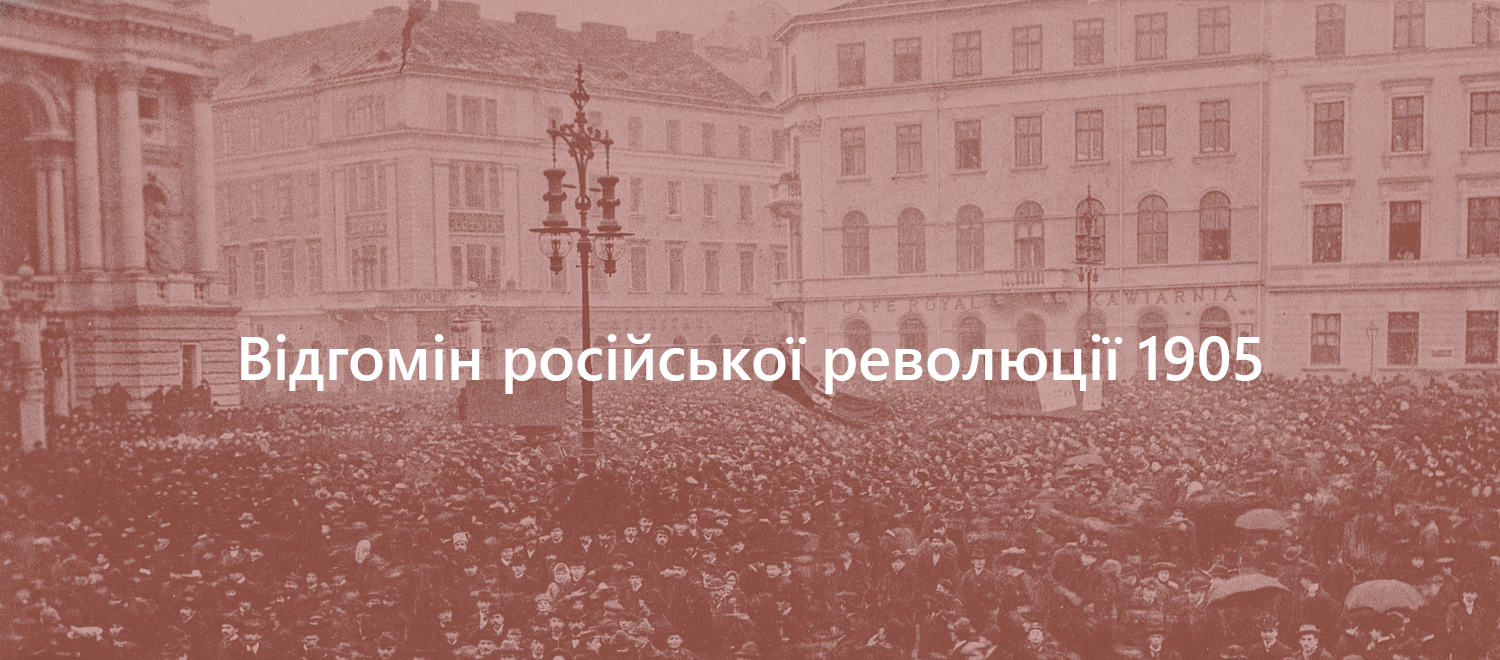
Echoes of the Russian Revolution of 1905 in Lviv
Though in the early 20th century Lviv was not an industrial center with a large number of workers, the Russian Revolution had a significant impact on life there. The events of 1905 were among the main outbursts of left-wing activity in the city.
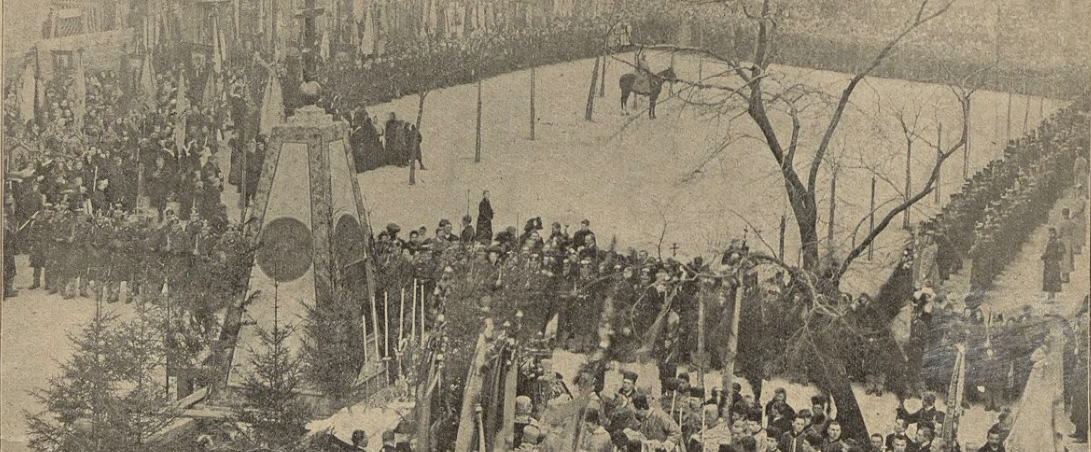
Epiphany celebration
The most significant annual religious celebration held in Lviv by Greek Catholics was the celebration of Epiphany.
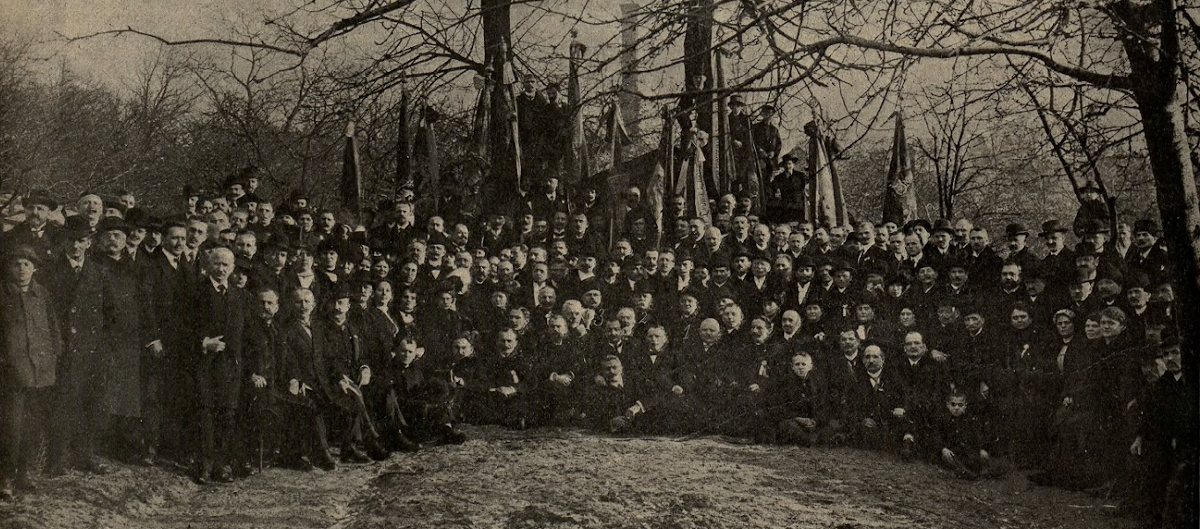
Feast of Lviv's tailors' "guild" (1900)
St. Anna's day, July 29, was considered a professional feast of Lviv's tailors' "guild." The restoration of this celebration practice at the city-wide level had a strong political basis. The initiators of the event referred to a tradition that existed before the 1772 partition of Poland in Lviv and, according to the organizers, was supposed to be restored in 1900.