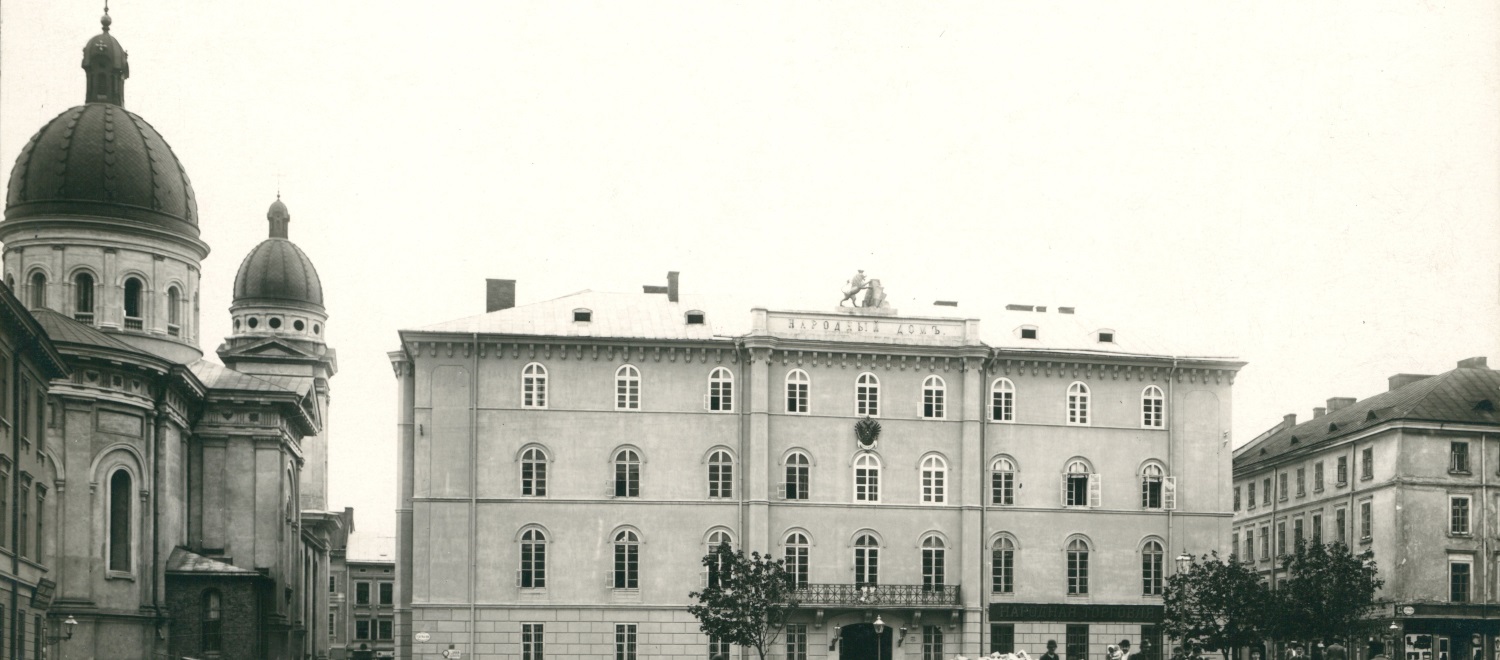
First National Ruthenian Viche (1880)
In 1880 an event took place that became the first step in the process of transforming Lviv into the "capital of the Ukrainian movement" in Galicia. The Ruthenians began their All-National Viche dedicated to the centenary of the reign of Emperor Joseph II on the same day that the Poles celebrated the 50th anniversary of the November Uprising.
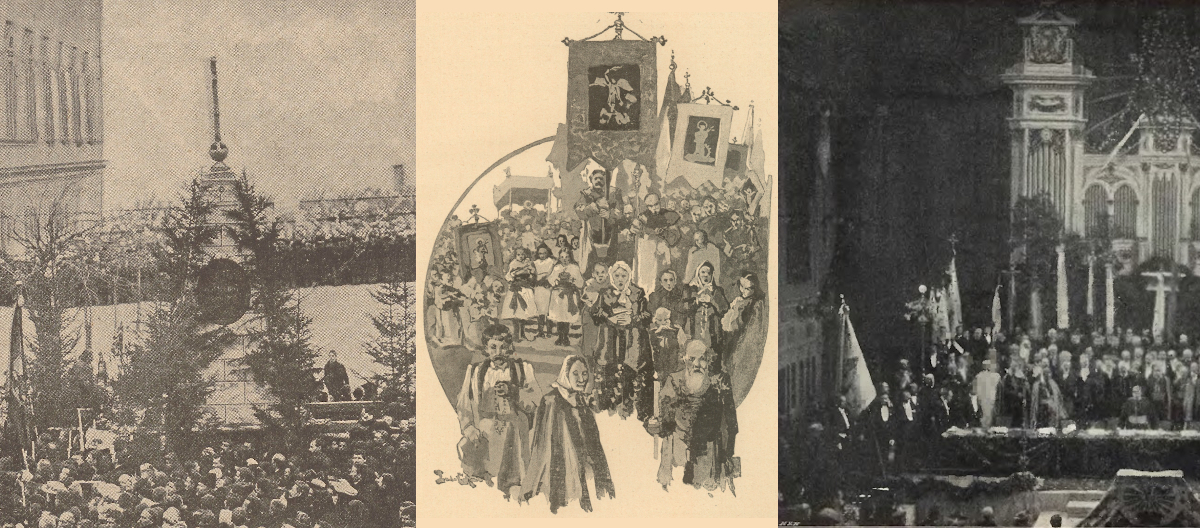
Formation of a "national" church calendar in Lviv
In Lviv, the Ukrainians (mainly Greek Catholics) and the Poles (mainly Roman Catholics) used different calendars, Julian and Gregorian. Consequently, Christian holidays fell on different days for them. Each group had not only its own dates and ways of celebrating the same holidays but also different priorities in the celebrations.
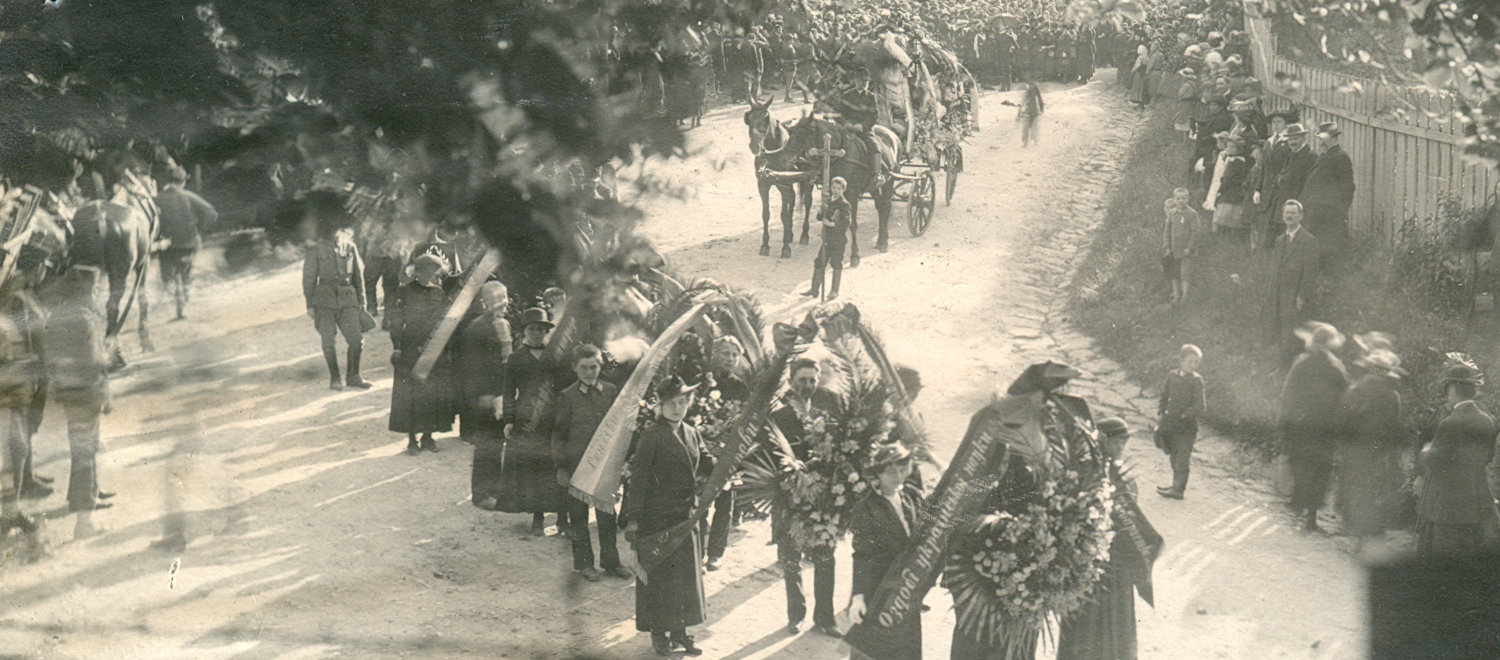
Funeral of Ivan Franko (1916)
Franko's funeral became one of the most massive Ukrainian events in Lviv before 1918 demonstrating Ukrainians as a society with ambitions to fight for the city and in the city.

Funeral of Michał Michalski, the president of Lviv (1907)
After the unexpected death of the current burgomaster and popular politician, the city authorities organized a farewell ceremony, which the Polish press of that time described as a "city-wide manifestation."

Funeral of Volodymyr Barvinskyi (1883)
Volodymyr Barvinskyi was an ideologue of the populist movement, a writer and the founder and editor of the "Dilo" newspaper. His death and funeral in 1883 marked the beginning of the formation of the Ukrainian national pantheon at the Lychakivsky cemetery.
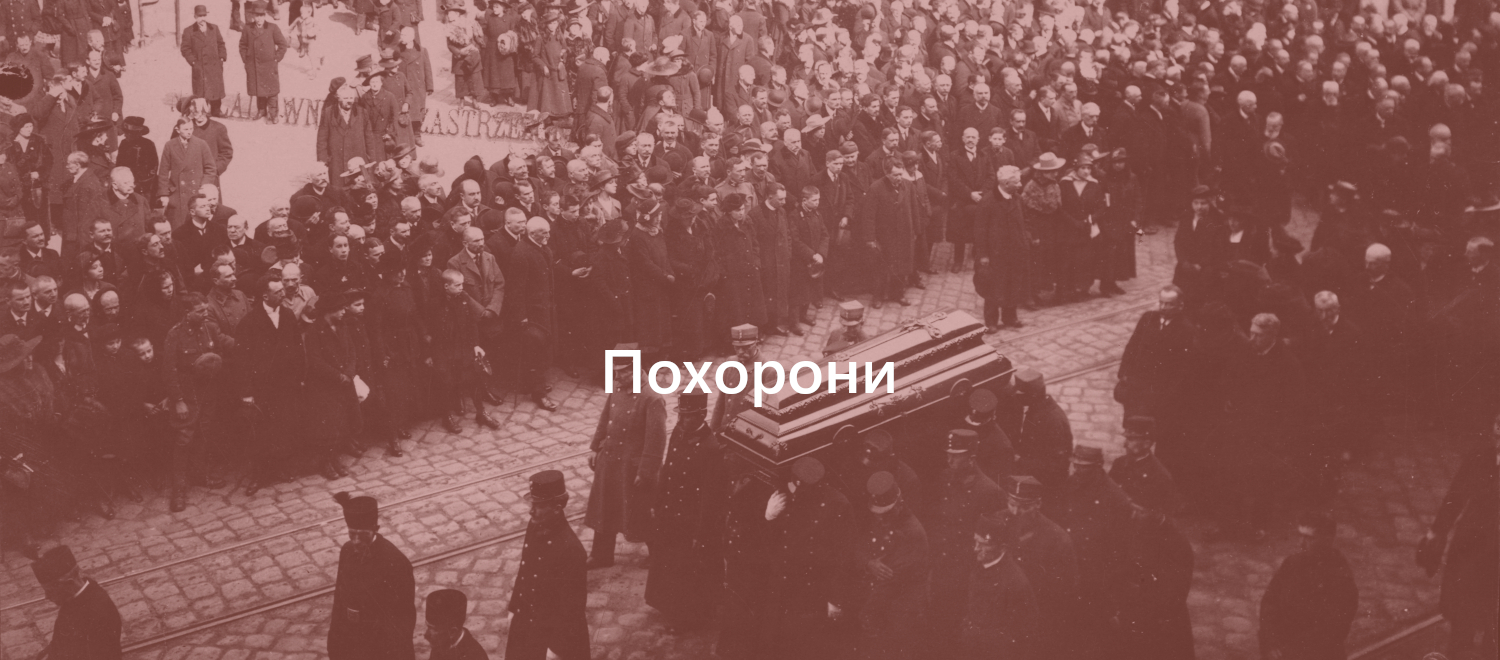
Funerals as national manifestations
Funerals with the participation of a large number of people took place in Lviv even at the time of strict centralization after the suppression of the Spring of Nations in 1848. These were opportunities to hold legal demonstrations at a time when all mass events, except imperial and religious ones, were prohibited.
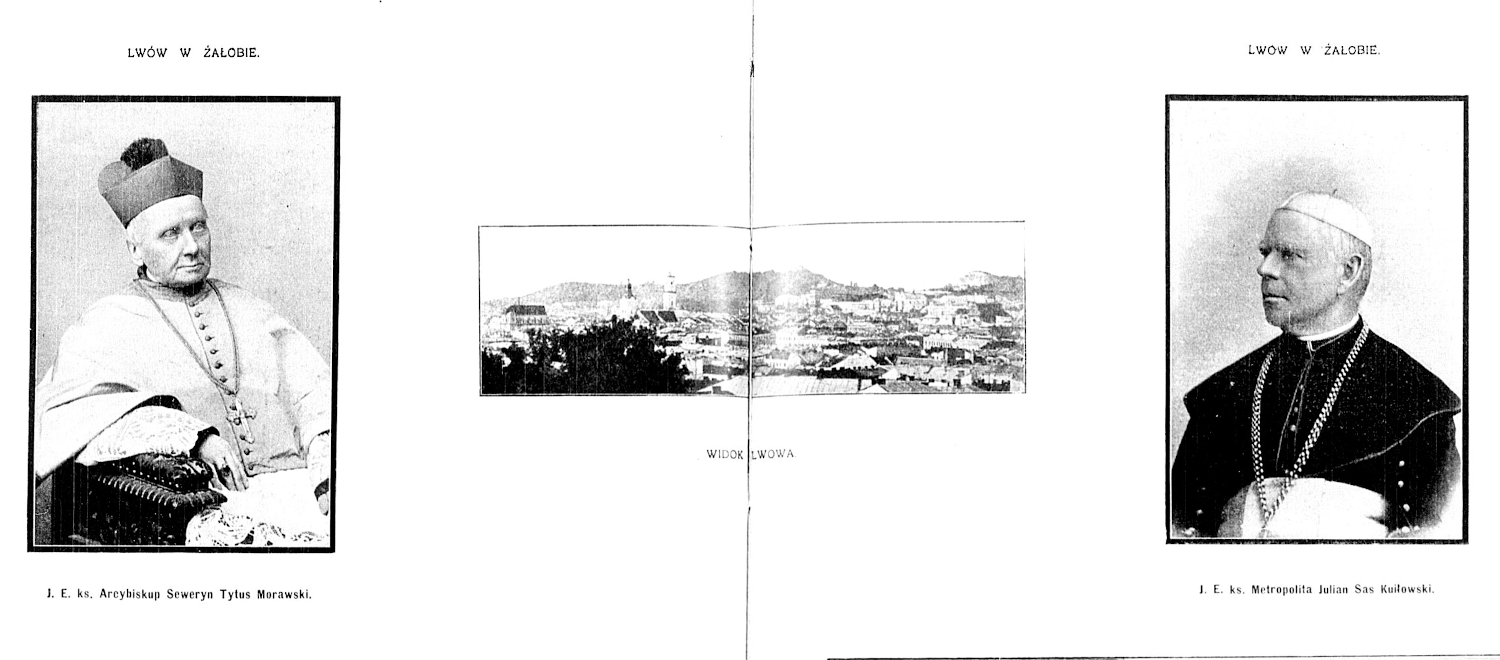
Funerals of Archbishops Morawski and Kuilovskyi (1900)
In early May 1900, the funerals of the hierarchs of the two largest religious communities of the province took place in Lviv: the Roman Catholic Archbishop Seweryn Morawski and the Greek Catholic Metropolitan Yulian Kuilovsky.
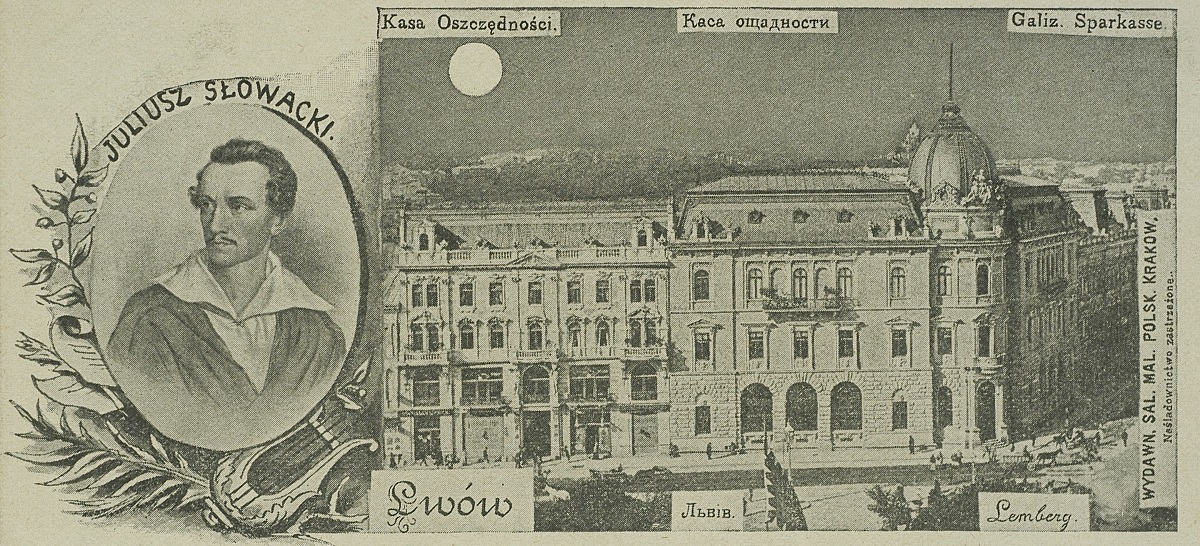
Honoring the Polish "Poet-Prophets"
As befits a cult, a calendar of birthdays, deaths, book releases, or the publication of individual works was formed around national poets. This was common to both Poles and Ukrainians and allowed them to regularly "remember" poets and "educate" the younger generation.
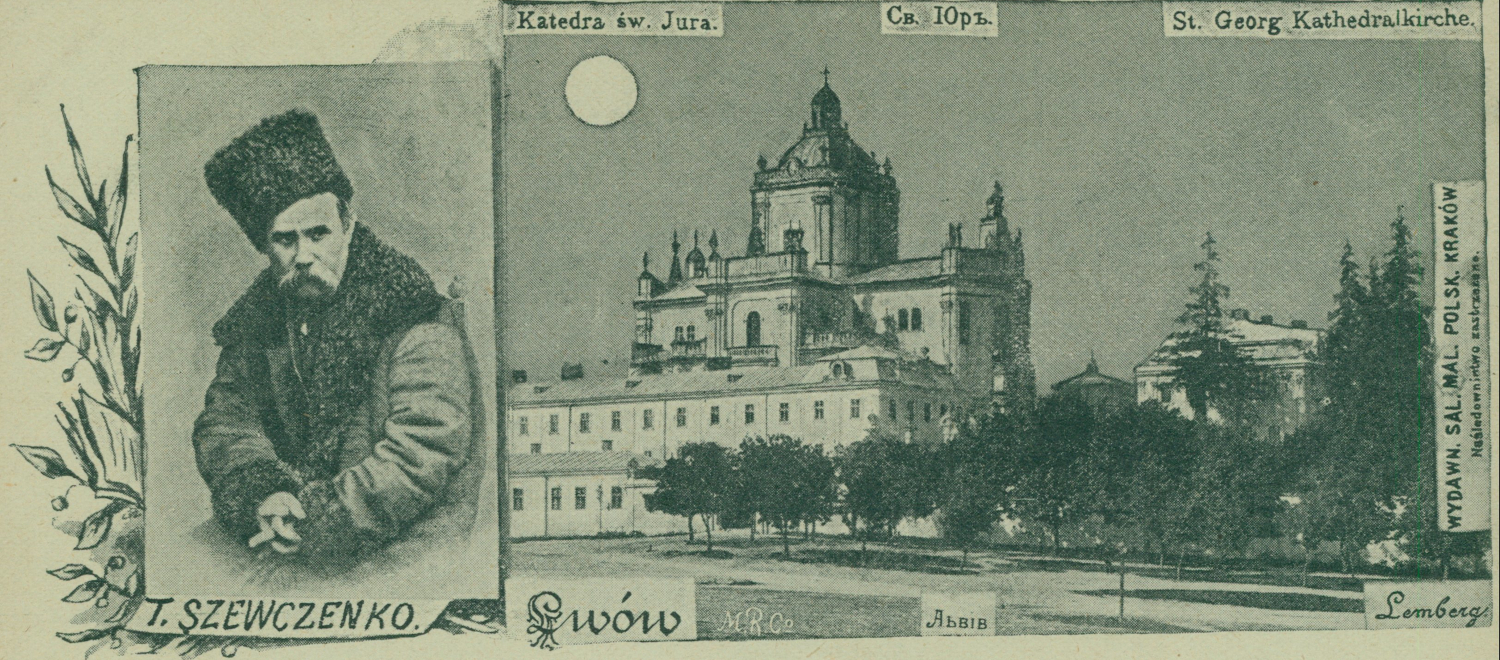
Honoring Ukrainian "poet-prophets"
As in the case of the Polish poet-prophets, the Ukrainians in the late 19th and early 20th centuries began to actively form their "national pantheon". And as with the Poles, there was a conflict in the Ukrainian environment between the secular intelligentsia and the Catholic Church.