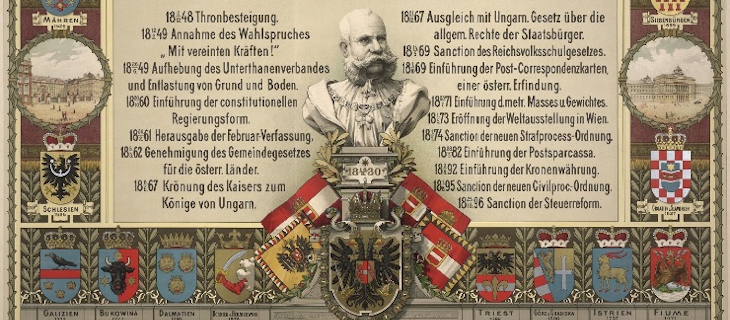
Honouring the emperor without the emperor
The symbolic role of Franz Joseph in the system of ideas about imperial power is described in the text about the emperor's visit to Lviv. However, the figure of the emperor was informationally present in the city even in his physical absence. It was quite evident, in particular, during various celebrations, jubilees or anniversaries.
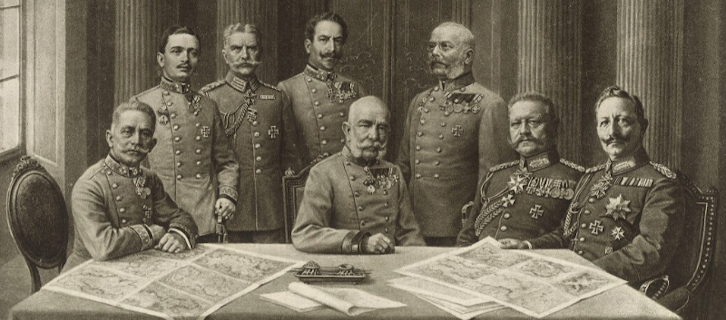
Imperial propaganda and national contradictions (1916)
In 1915-1916, Poles and Ukrainians increasingly emphasized their future statehood. Vienna tried to limit national activity as much as possible in conditions where the monarchy depended on the favor of "its people". And at the same time the imperial center promoted its own ideological agenda, reserving for itself the role of the main arbiter.

July 1905 in Lviv. The strike of construction workers
In July 1905, construction workers went on strike in Lviv. In contrast to the strikes that took place in May, in July everything was developing in a much more dramatic and organized way.
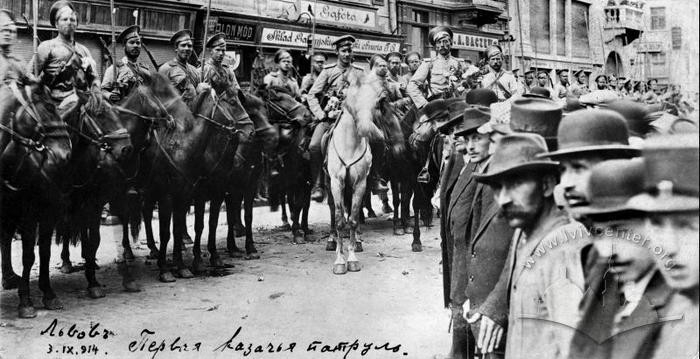
Mass events during the Russian occupation of Lviv (1914-1915)
After repressions by the occupation authorities, the only legal way of manifestation in Lviv were Roman Catholic religious celebrations. This allowed the Poles to emphasize their identity through their denomination and, in addition, events were also celebrated according to the Gregorian calendar, while the Russians had made the Julian calendar official.
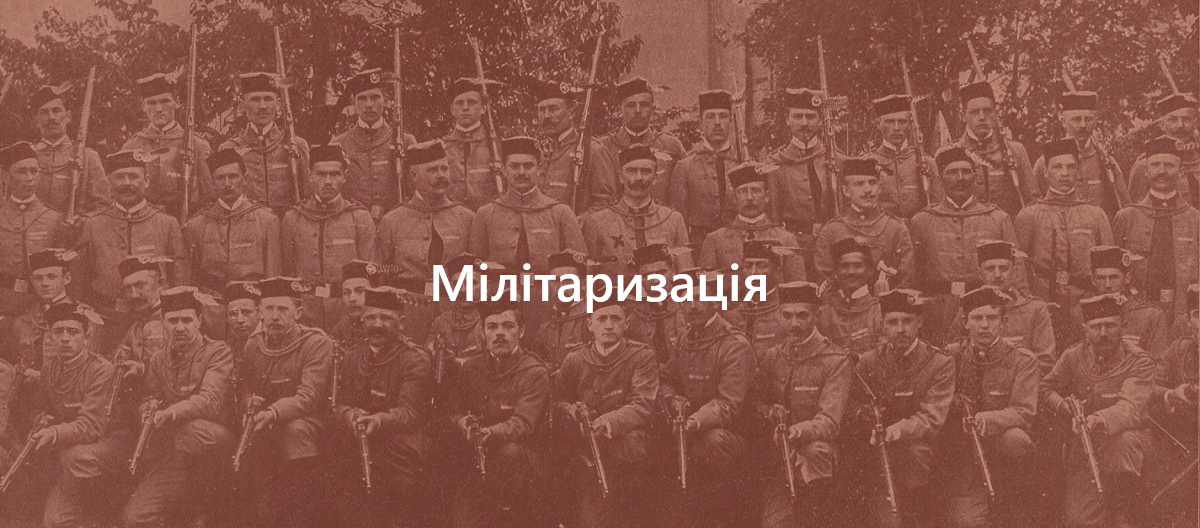
Militarization of national movements
By the beginning of the 20th century, various paramilitary structures became very common. So did their participation in mass events.

National City
Ukrainians and Poles did not just compete, they literally fought for the right to this city and province. The former claimed that Lviv was "the city of Prince Leo, the ancient capital of Galician Rus", while the latter declared it "the capital of the freest part of divided Poland."
November 1905 and the Patriotic Polish Youth
November in Lviv was traditionally full of Polish national celebrations. It was in this month that the beginning of the November Uprising was celebrated and the anniversary of Adam Mickiewicz’s death was commemorated. The troubled year of 1905 was no exception.
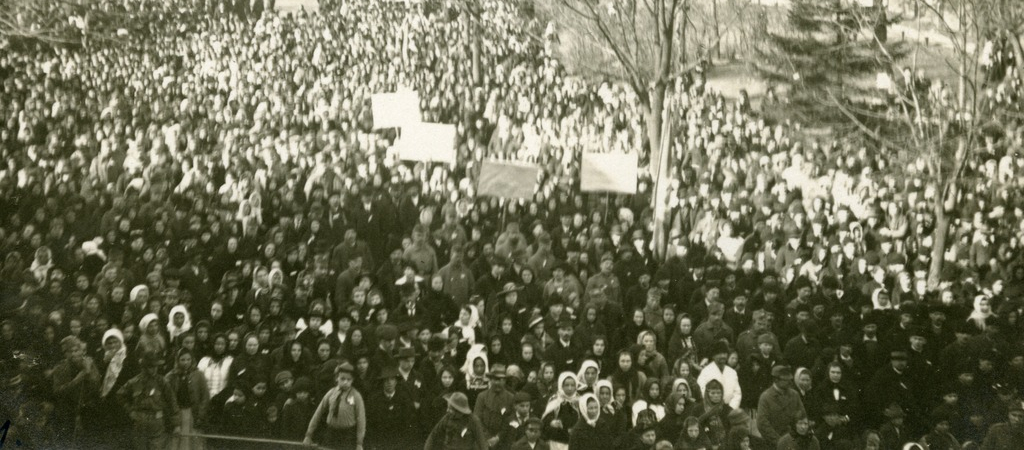
October 1918 in Lviv
In October 1918, in the context of the struggle for the formation of national states, Lviv became the subject of disputes between the Ukrainians and Poles.
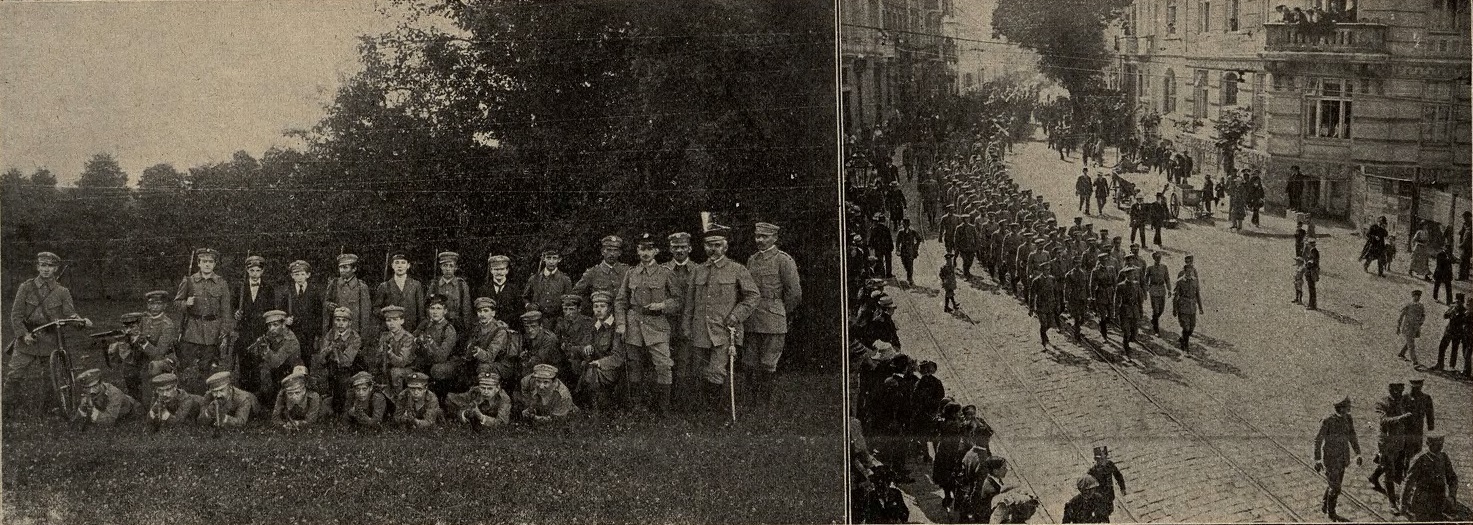
Patriotic manifestations at the beginning of the First World War
In summer 1914, the solemn marches, rallies, speeches took place in the city to demonstrate loyalty, imperial patriotism and support for the army. All other events were either cancelled or postponed indefinitely.