
Polish National Anniversaries and Celebrations
During the period of Galician autonomy in Austria-Hungary, Polish elites learned to use the imperial ritual to promote their "national agenda." Acting as power (in the symbolic field), they seemed to become power themselves.
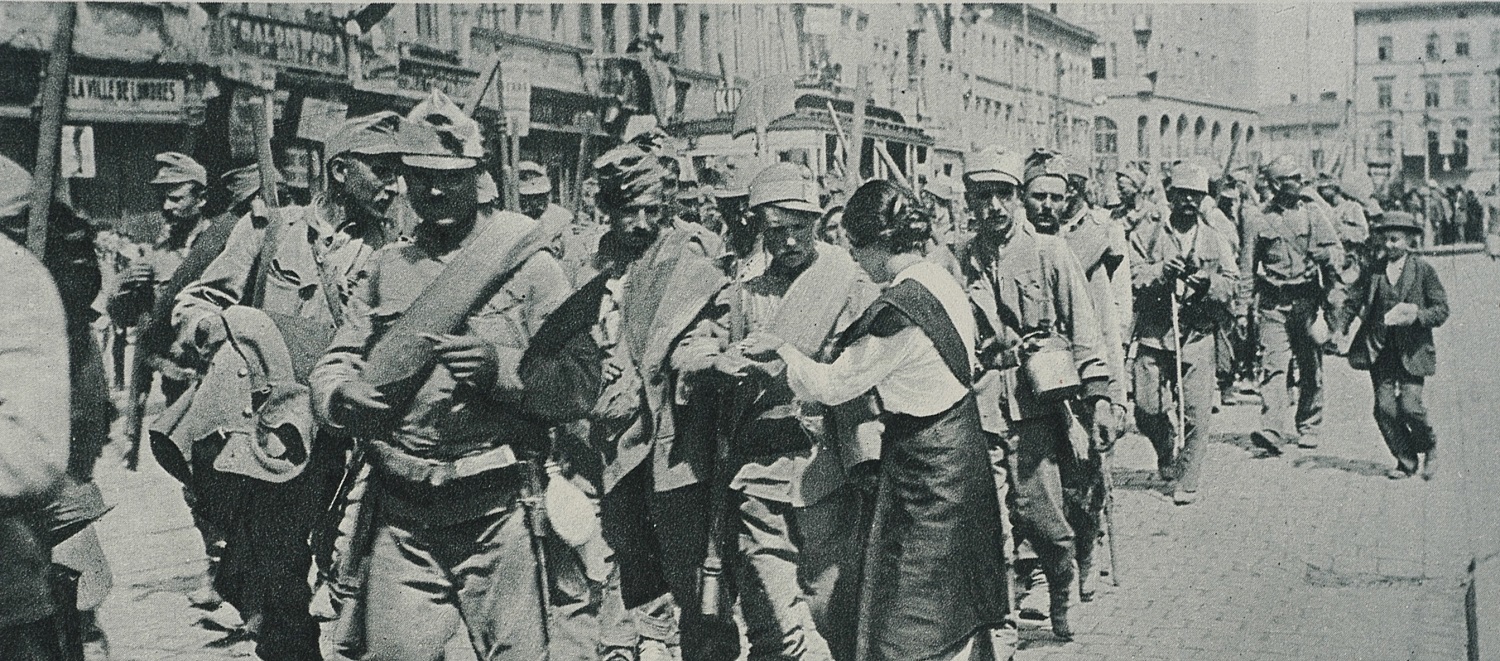
Political manifestations after the liberation of Lviv (1915)
After June 9, 1915, there was an attempt to restore the usual pre-war practices at the backgroud of epidemics, shortages and the proximity of the front line. Ukrainians and Jews preferred not to participate in demonstrations, but for Poles the religious and imperial holidays remained the "platforms" for self-representation, and the traditions of "tours" were revived.
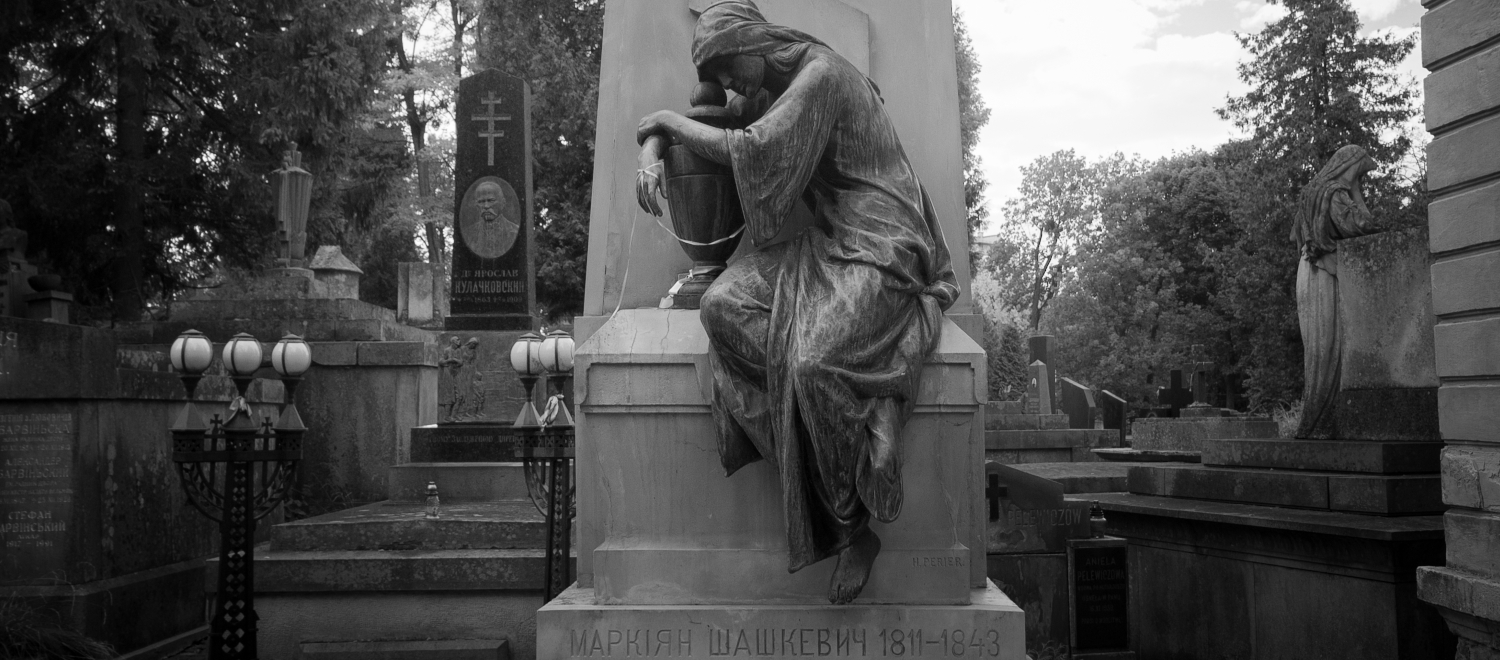
Reburial of Markiyan Shashkevych in Lviv (1893)
The reburial of Markiyan Shashkevych in Lviv on November 1, 1893 is considered one of the most significant "national manifestations" of the Ruthenians in the city. Apart from the mass character of the event, the figure of the poet himself as a "people's awakener" is important, by analogy with national poets of other nations.
Religious rituals in the public space of Lviv
The Roman Catholic Poles and the Greek Catholic Ukrainians were the main actors in purposeful political representation with the use of religious instruments in Lviv. For them, this presence in the city was part of the struggle for Lviv as a center of their "national revival."
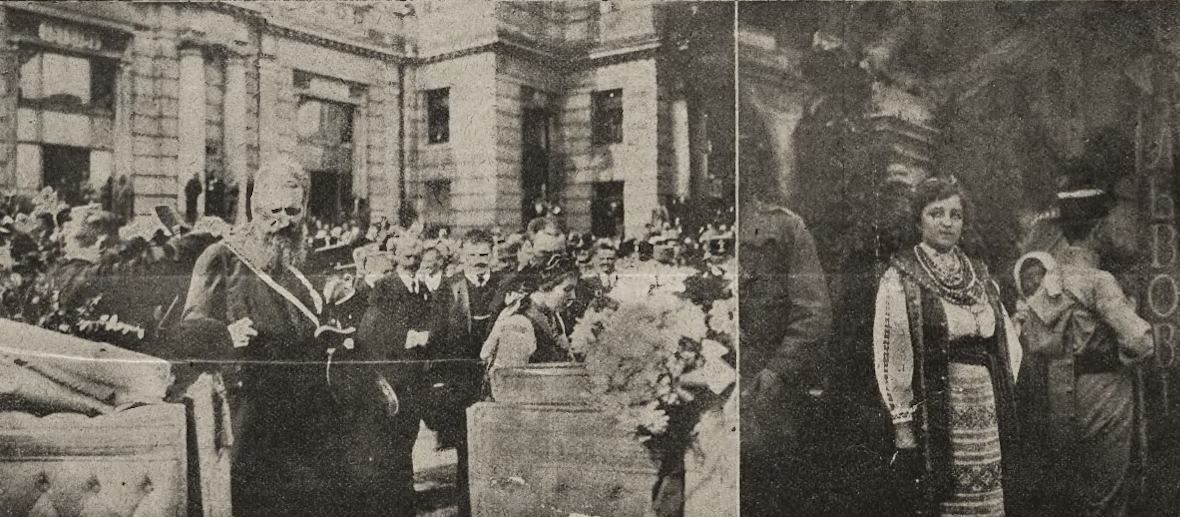
Return of distinguished citizens (1917)
Along with the usual holidays for Lviv, in 1917 the most notable mass events were the return of famous persons who were taken out of the city as prisoners by the retreating Russian army in 1915.
Ruthenian Viches: Ukrainian Demonstrations
Many of the mass events held by Ukrainians in Lviv during the period of autonomy were called viche (assembly). It was a kind of response to the numerous Polish demonstrations and historical celebrations.
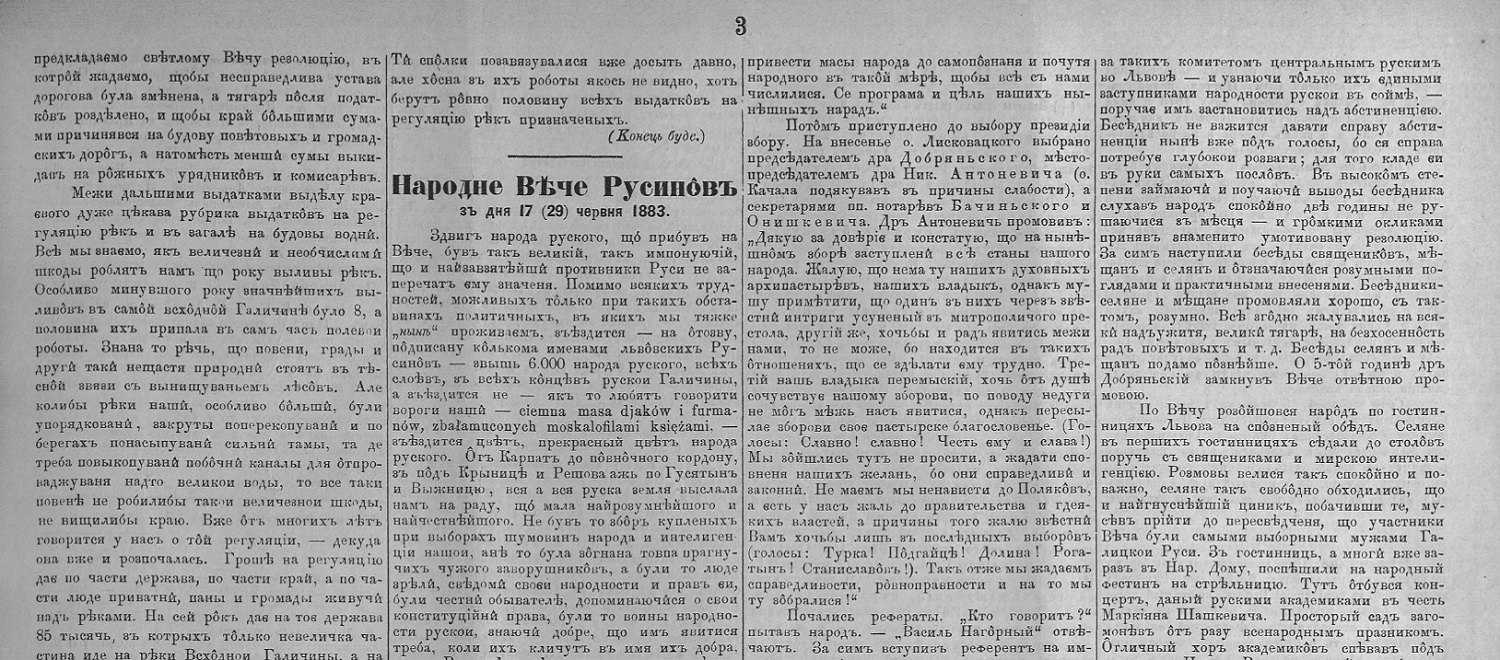
Second National Ruthenian Viche (1883)
The main task set by the organizers was to demonstrate mass popular support for Ruthenian politicians despite their recent defeat in the elections. The essence of the 1883 assembly was to demonstrate the power of the Ruthenian political movement.
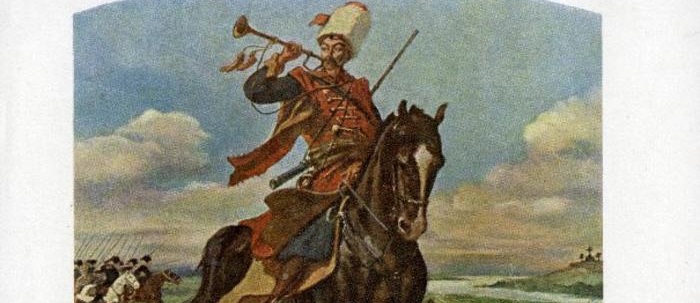
Shevchenko's Sokil's Rally (1914)
On June 28, 1914, a large-scale celebration of the 100th anniversary of Taras Shevchenko's birth, known as “Shevchenko's Rally,” took place in Lviv. According to the organizers' plan, this event was supposed to demonstrate the organizational and physical readiness of Ukrainians in Galicia for the upcoming war against the backdrop of growing Ukrainian-Polish tensions.
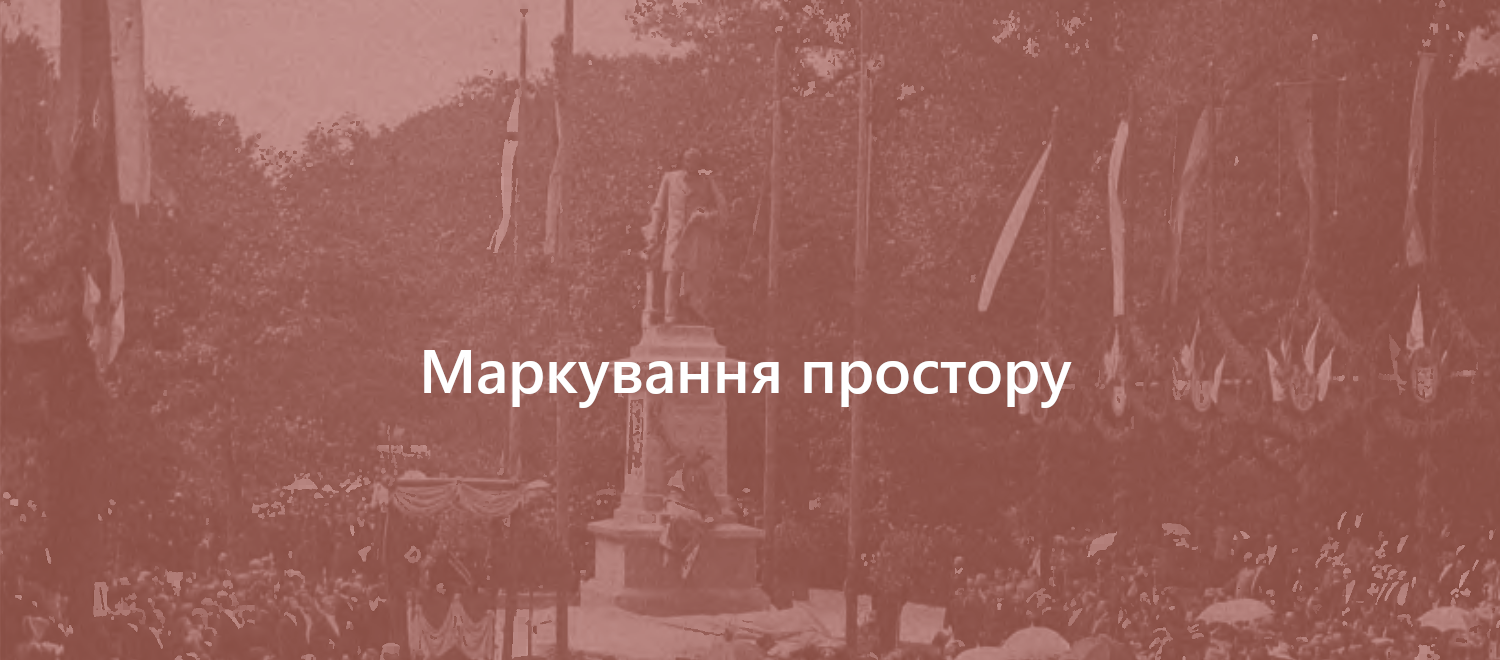
Space marking
Mass politics influenced not only using the city’s space but also building it. Lviv was considered the capital of a crown land and, in addition, the capital of two national projects, so it should have appropriate buildings and monuments, while streets should have the correct names.