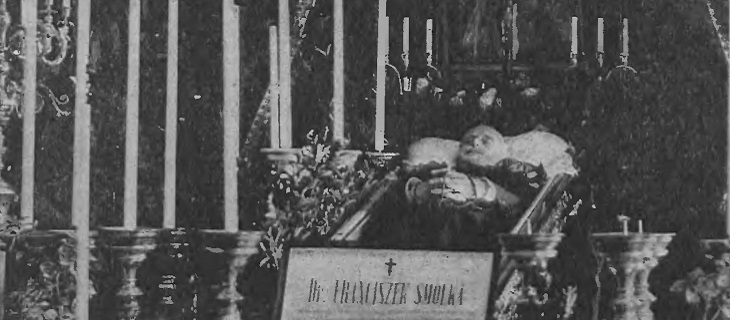
The Funeral of Franciszek Smolka (1899)
Franciszek Smolka funeral on December 7, 1899 was one of the many national events that funerals of figures of this magnitude usually turned into
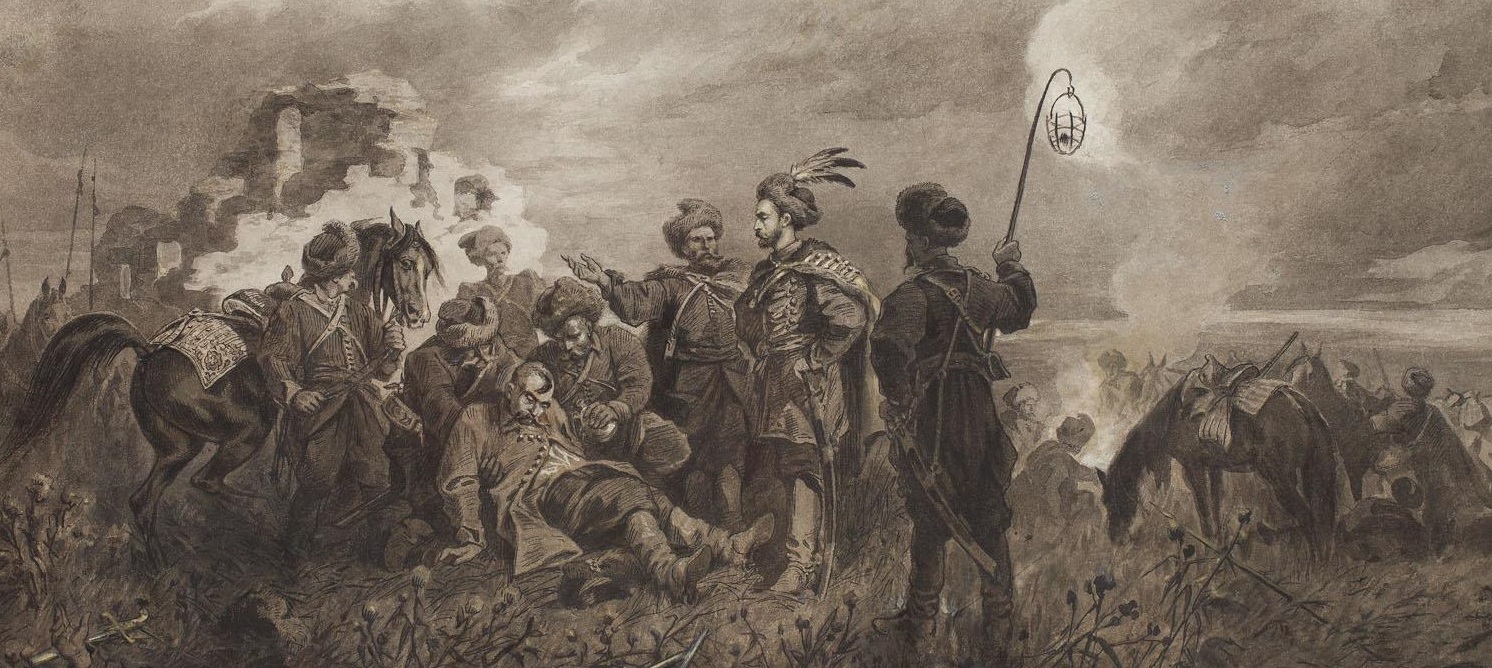
The Henryk Sienkiewicz visit to Lviv (1900)
From April 29 to May 5, 1900 an outstanding Polish writer, the author of the The Crusaders and With Fire and Sword, Henryk Sienkiewicz visited Lviv. That event became one of the most noticeable in the public life of Lviv and one of the most remarkable ones for the Polish part of Lvivites.
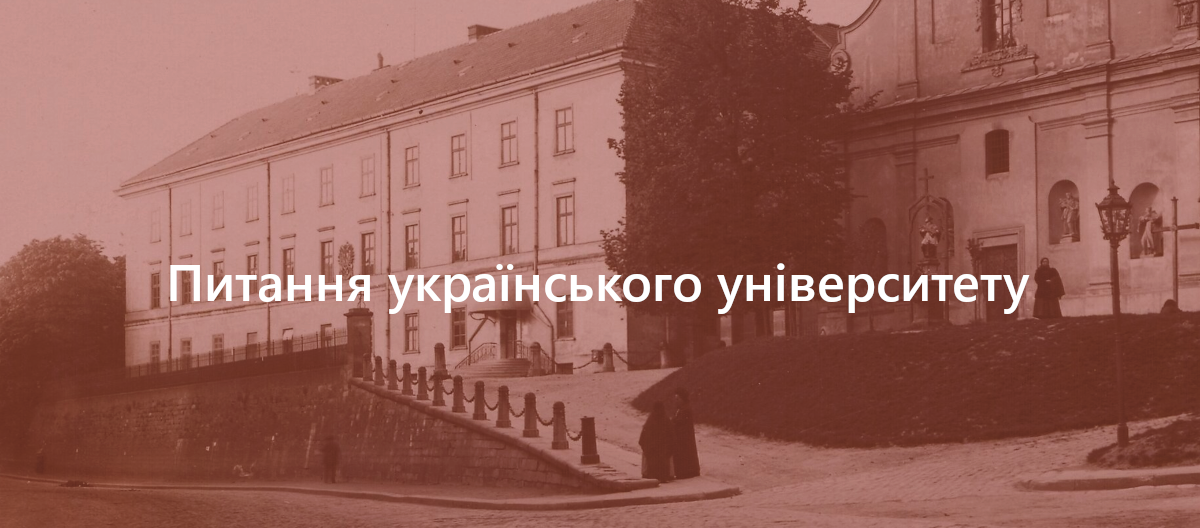
The issue of a Ukrainian university in Lviv
What in the late 19th century looked like a demand by Ruthenian students at Lviv University to study in their native language evolved in a few years into a nationwide struggle to open a Ukrainian university.
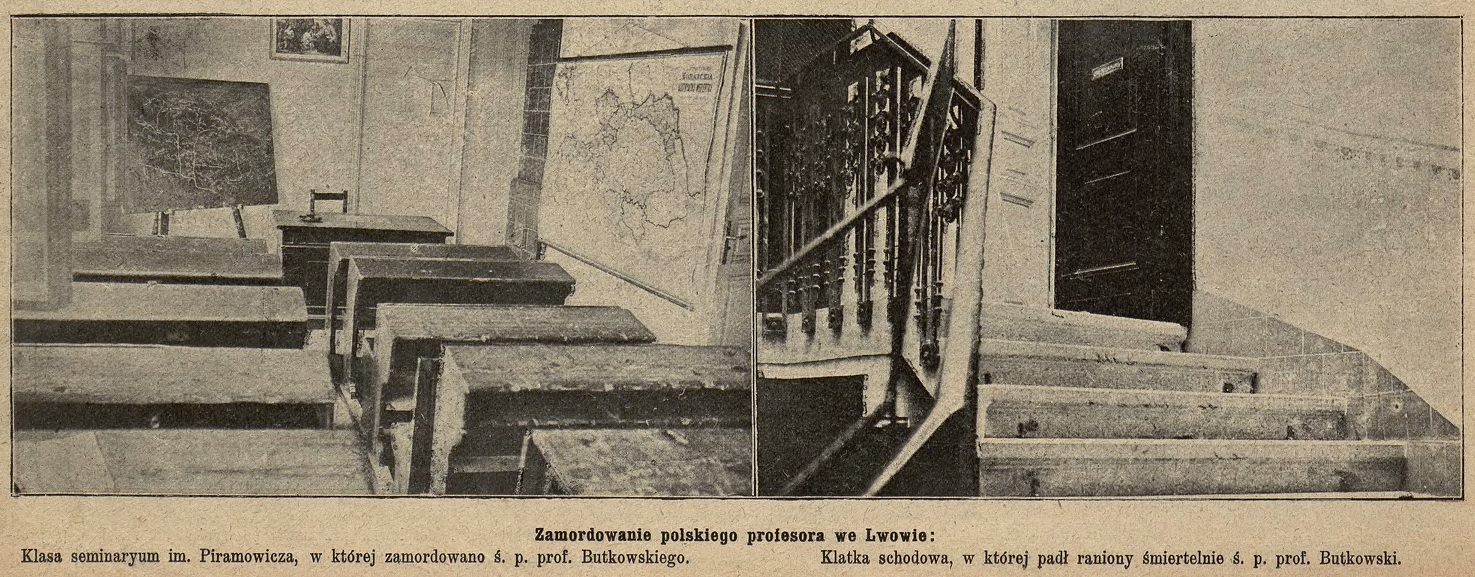
The murder of Butkowski, a seminary professor, by Dzhehala, a student (1913)
On 11 June 1913, Illia Dzhehala, a student of the teacher seminary, shot dead Karol Butkowski, a professor. This event, as well as the demonstrations it provoked, not only revealed the radicalization of young people and their desire to solve problems with a gun but also showed the trajectory of the Ukrainian-Polish confrontation.
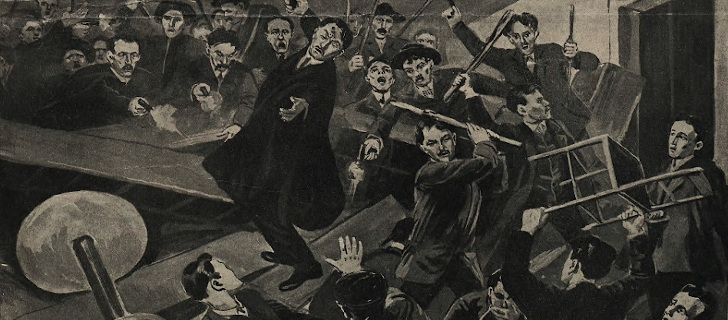
The murder of the student Adam Kotsko (1910)
The murder of Adam Kotsko took place in 1910 amidst the riots that broke out over the possible opening of a Ukrainian university. The student was one of the leaders of the Ukrainian student movement here. After the bloody culmination, the struggles switched to a more legal political course.
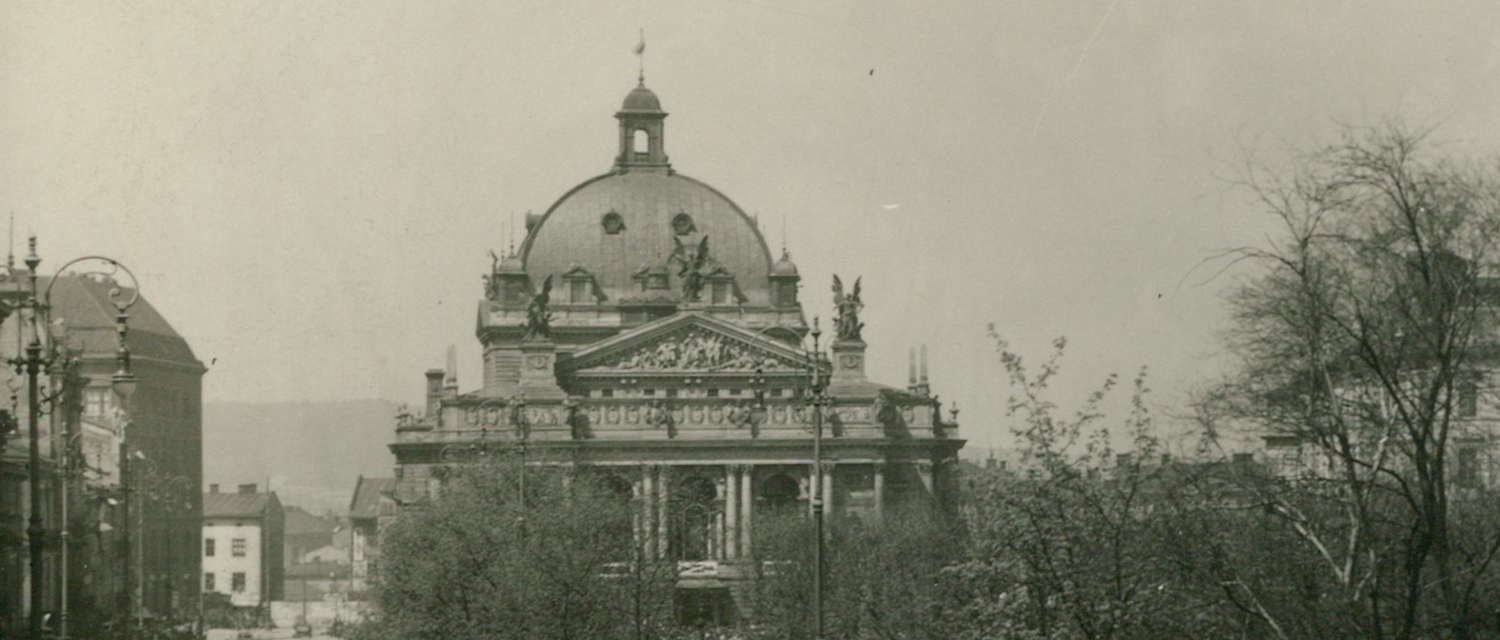
The opening of the City theatre
The new city theater (today, the Solomiya Krushelnytska Opera and Ballet Theater) was ceremonially opened on October 4, 1900. This opening became one of the major events in the city, a testimony to the maturity of the city community that managed to fund and hold such a construction.
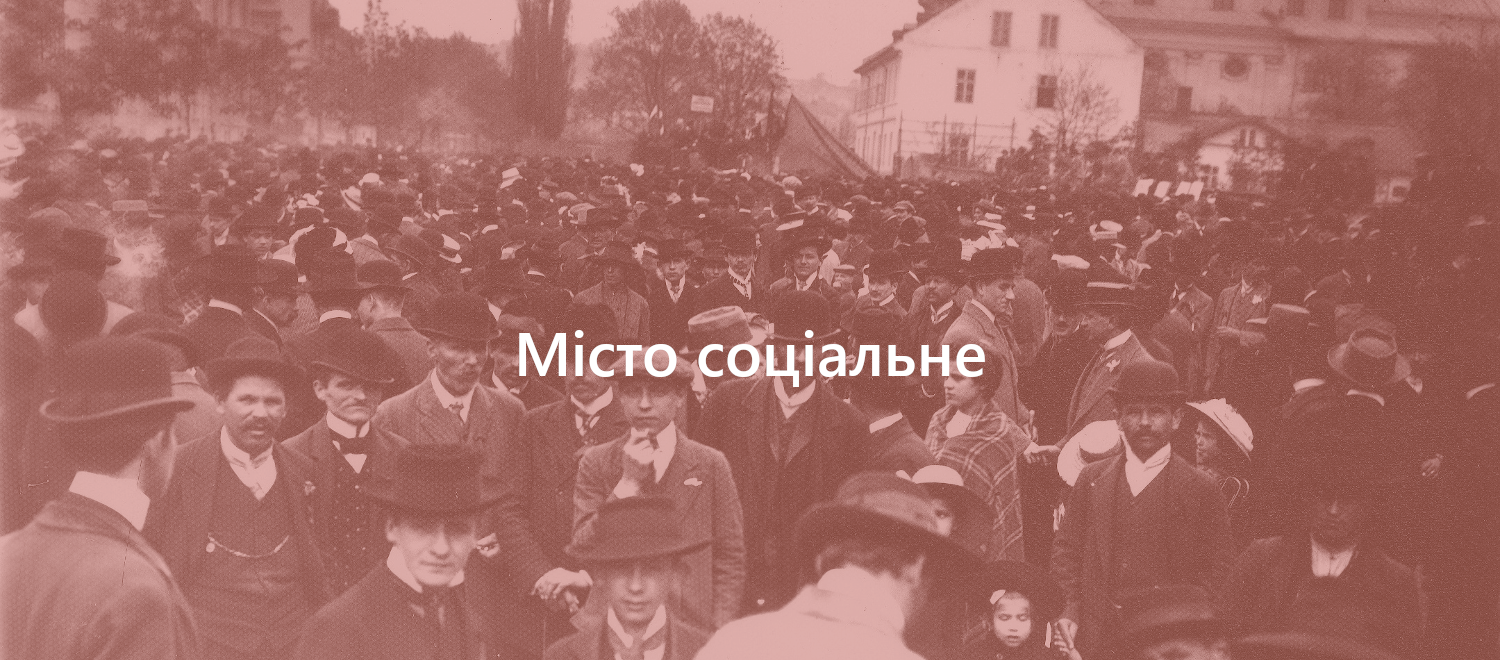
The social city
Emancipation processes allowed various national communities to "come onto the stage"; the government was now formed not only by aristocrats but also by representatives of bourgeoisie; in addition, manifestations of workers and women became frequent as both were becoming organized groups with their own subjectivity.

The social-democratic rally of July 9, 1905 and the devastation of the editorial office of the newspaper Słowo Polskie
A demonstration, organized by social democrats on Sunday, July 9, 1905, took place on the eve of the construction workers' strike, when it was already clear that no agreement could be reached with the employers. During the rally, one of the activists who once again decided to destroy the kiosk of the newspaper Słowo Polskie was wounded with a revolver.
The strike and demonstrations for electoral reform, November 1905
In the autumn of 1905, the October Manifesto on the "gift" of the constitution was announced in Russia. On the one hand, it instigated Austrian politicians to demand reforms in Austria as well. On the other hand, the Russian constitution was not supposed to be valid in the rebellious Kingdom of Poland, so Polish activists in Galicia also held actions of solidarity with the Poles of the Russian Empire.