


These events are an example of the glorification of Polish national heroes in Lviv during the period of autonomy. They also show how local politics clearly diverged from the "historical views" of the central government.
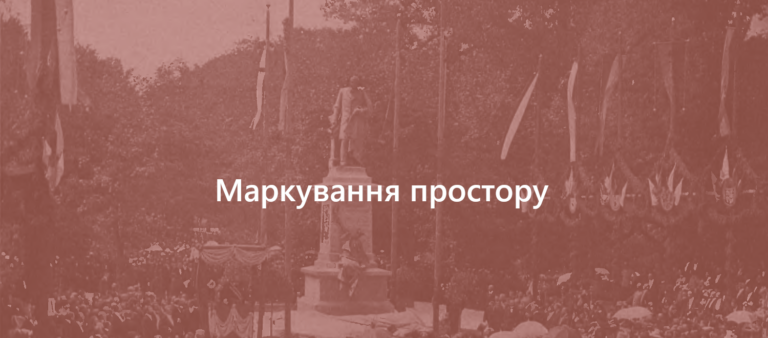
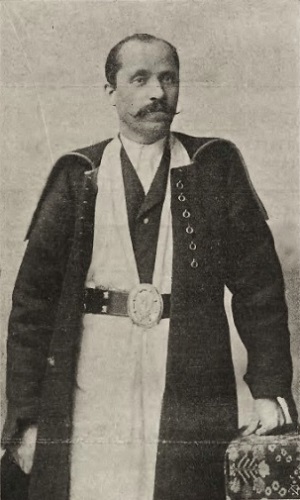
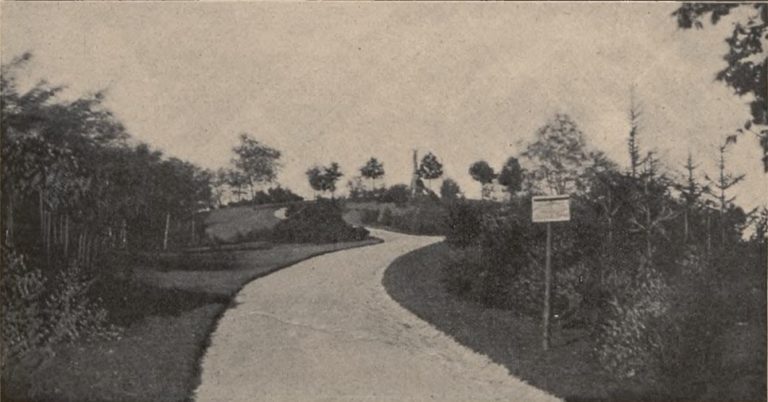
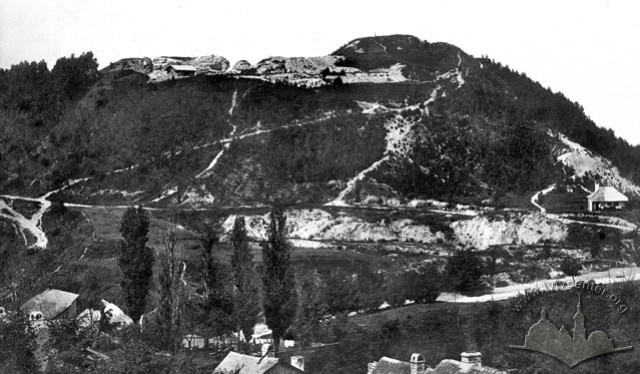
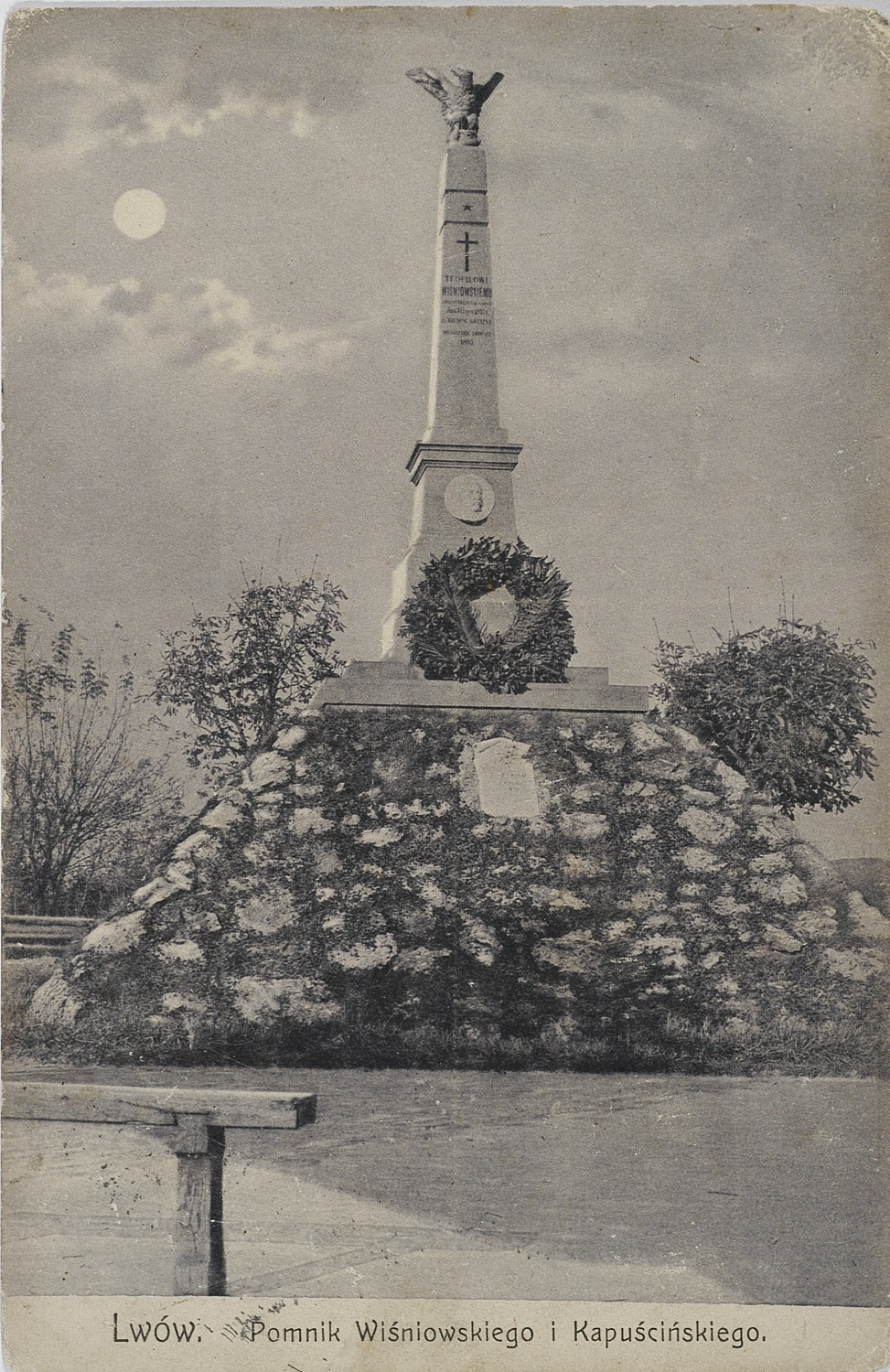
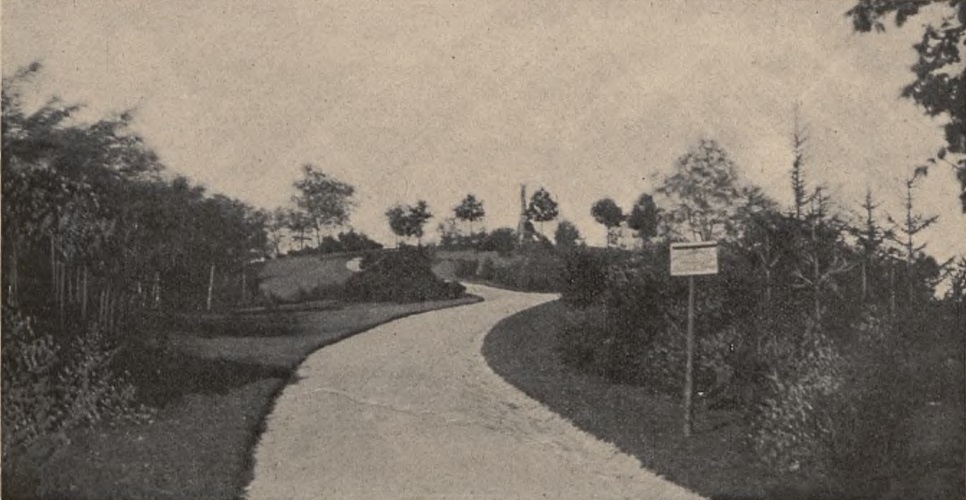
On 31 July 1847, Teofil Wiśniowski and Józef Kapuściński, participants in the anti-Austrian uprising, were hanged on the Góra Stracenia (Execution Hill) in Lviv. Forty-eight years later, in 1895, in the atmosphere of broad autonomy, an obelisk was erected at the site of the execution and a small public garden was designed around it at the initiative of Michał Michalski, then a member of the City Council and the Galician Sejm.
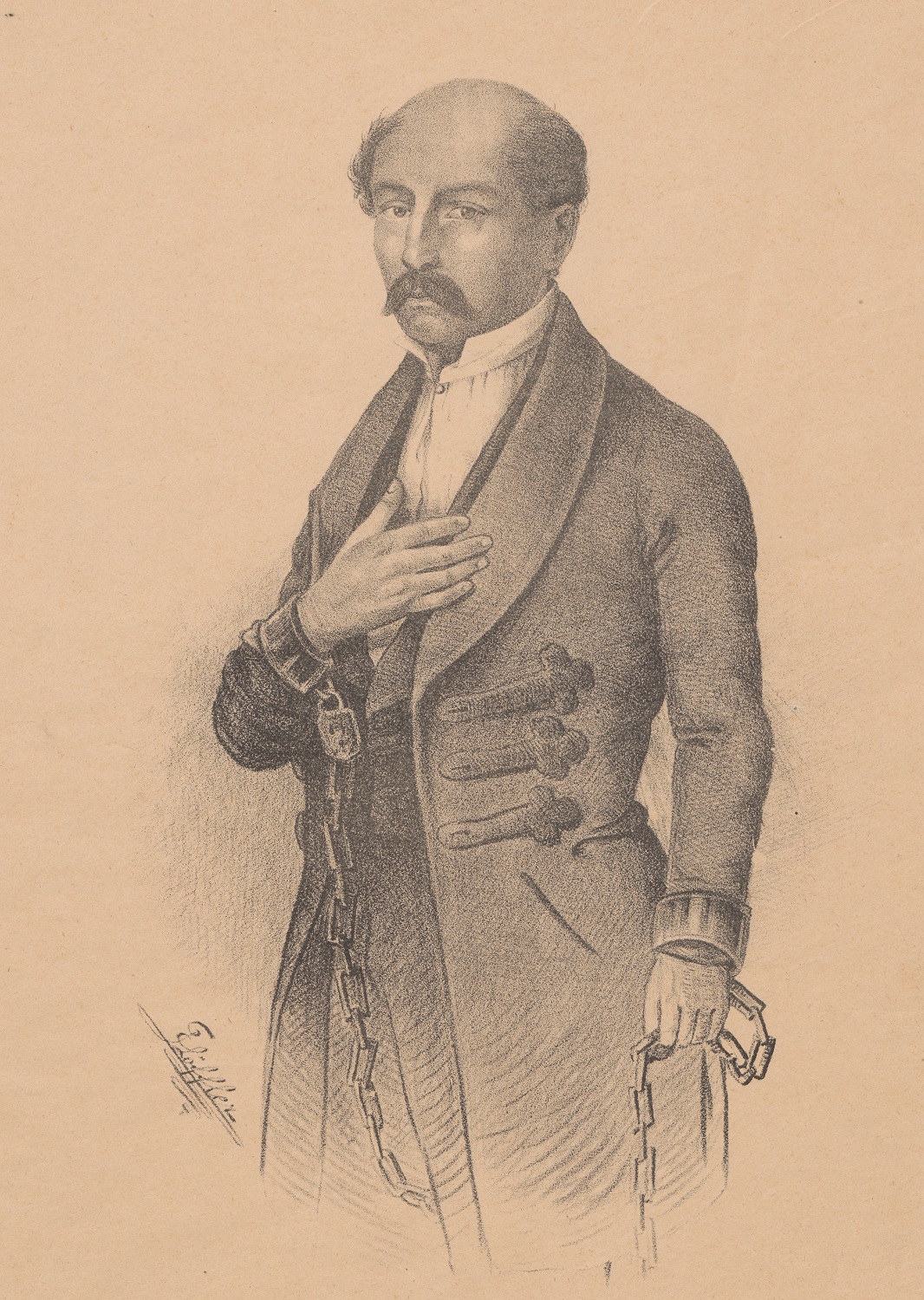
Two years later, the city commemorated the 50th anniversary of the execution. On this occasion, a solemn meeting was held in the city hall on 30 July 1897. The memorial evening to which members of patriotic societies were invited involved speeches and poetry recitals, with a choir performing a patriotic cantata specially composed for the anniversary.
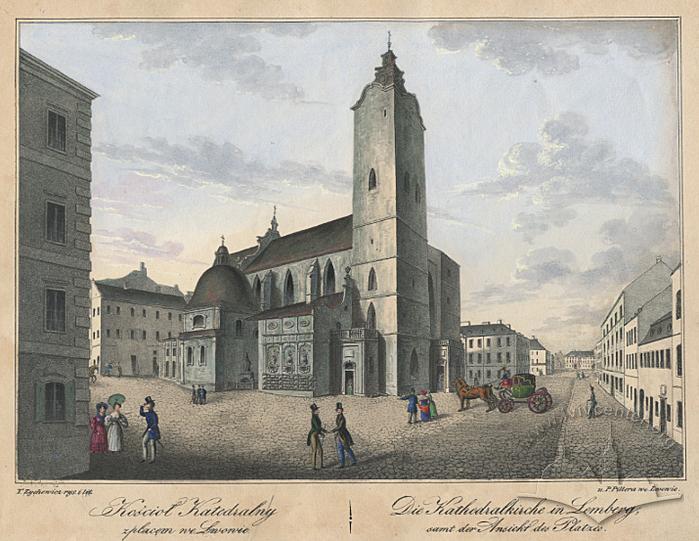
On the anniversary day itself, 31 July 1897, black mourning banners were hung on the Lublin Union Mound and the city hall tower. From 9 to 11 a.m., all shops in the city were closed, while the Latin Cathedral and the surrounding square were filled with townspeople wearing mourning badges on their clothes. A hearse decorated with wreaths and flowers was placed in the cathedral, with representatives of guilds and craft corporations holding banners of their organizations gathered around it. Uniformed members of the Sokól volunteer fire brigade were also present. The mourning service ended with the singing of the patriotic hymn "Boże coś Polskę".
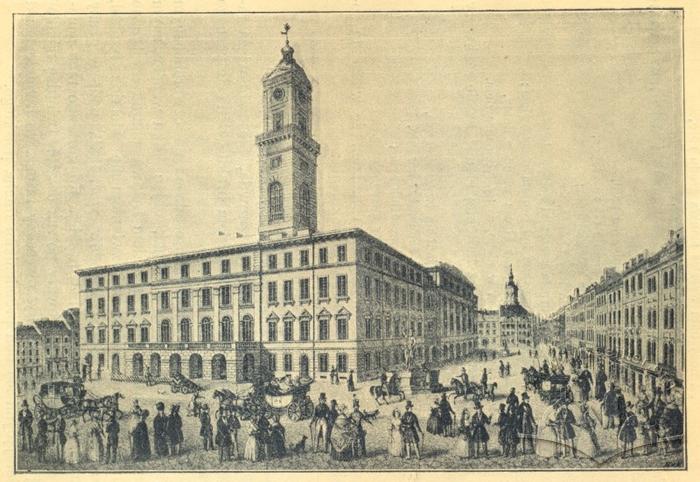
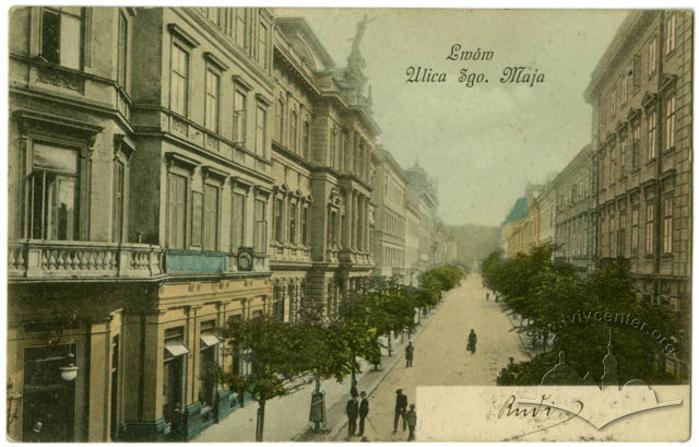
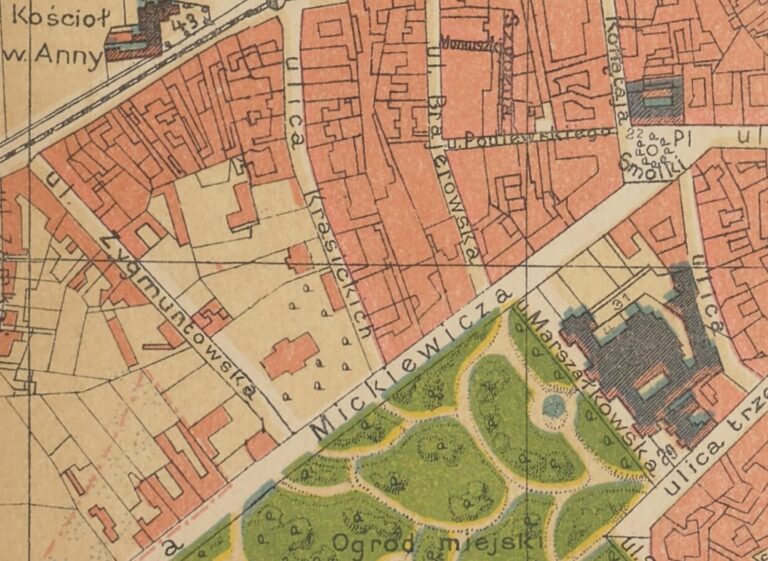
Then the procession moved across the Rynok Square, ul. Karola Ludwika, ul. Trzeciego Maja and ul. Krasickiego, heading "to the Wiśniowski and Kapuściński Hill" (as the press called the Góra Stracenia in this case). It is interesting to note the order in which they moved and how they demonstrated the "all-national honoring".
At the front were representatives of the City Council with an iron wreath stylized as chains and thorn branches (and this was not the last allusion to the martyrdom of Christ). The inscription on the wreath (in Polish, obviously) read: "To the heroes and martyrs from the Council of the Royal Capital City of Lviv".
Next came the "Polish women". The inscription on their wreath — "To the heroes of freedom from the Polish women of the three partitions" — clearly indicated the nationwide nature of the action, which was not limited by the borders of the empire.
The third group in the procession consisted of peasants with a wreath reading "To the defenders of the people from the Polish peasantry". They were followed by members of various societies, corporations, etc. Many carried wreaths, for example, "To the martyr of freedom from the Rifle Society".
According to the press, "hundreds of fellow countrymen" gathered at the site of the execution. The description of the hill on that day draws analogies with Golgotha: now there is a cross and a monument in place of the gallows, with the new "guard of the spirit and idea" instead of the military cordon that guarded the bodies of the executed insurgents. After short speeches and the laying of wreaths, the participants in the gathering embedded a marble plaque dedicated to the 50th anniversary of the execution in the obelisk and performed another patriotic hymn, "Z dymem pożarów" (With the Smoke of Fires).
Commemoration of the 60th anniversary in 1907
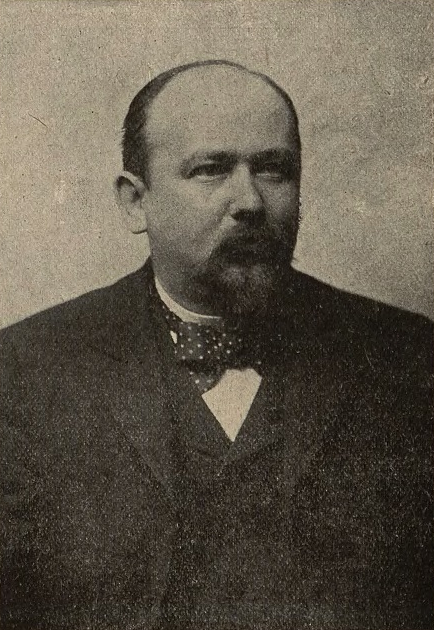
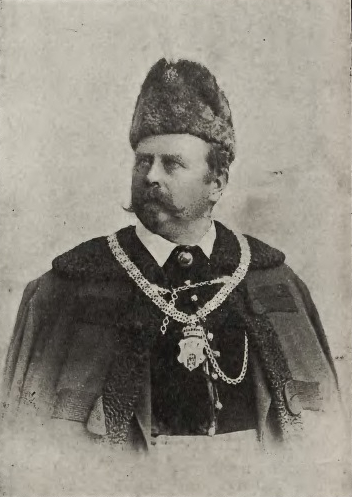
The commemoration of the 60th anniversary in 1907 was also massive but there were some important differences. Probably due to the radicalization of the events (more on that below), the City Council did not even attend the memorial service at the Latin Cathedral. The service was organized on 31 July 1907 by the Kościuszko Society, whose choir performed funeral songs. The empty hearse was now decorated with wreaths from societies and professional associations, as well as weapons. From among the politicians only members of the State Council were present in the Cathedral — Józef Hudec, a socialist, and Jakub Bojko, a representative of the Polish peasant movement.
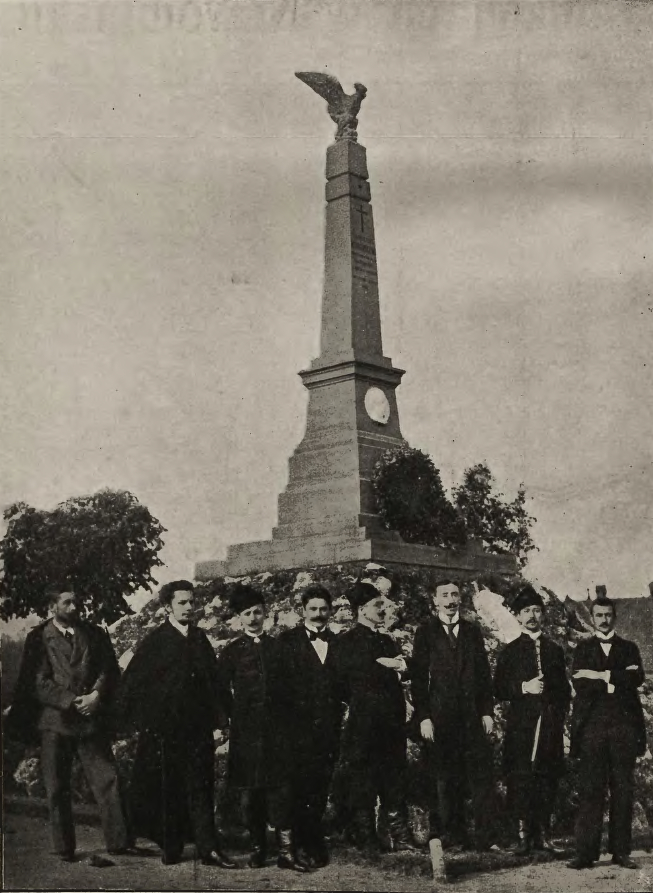
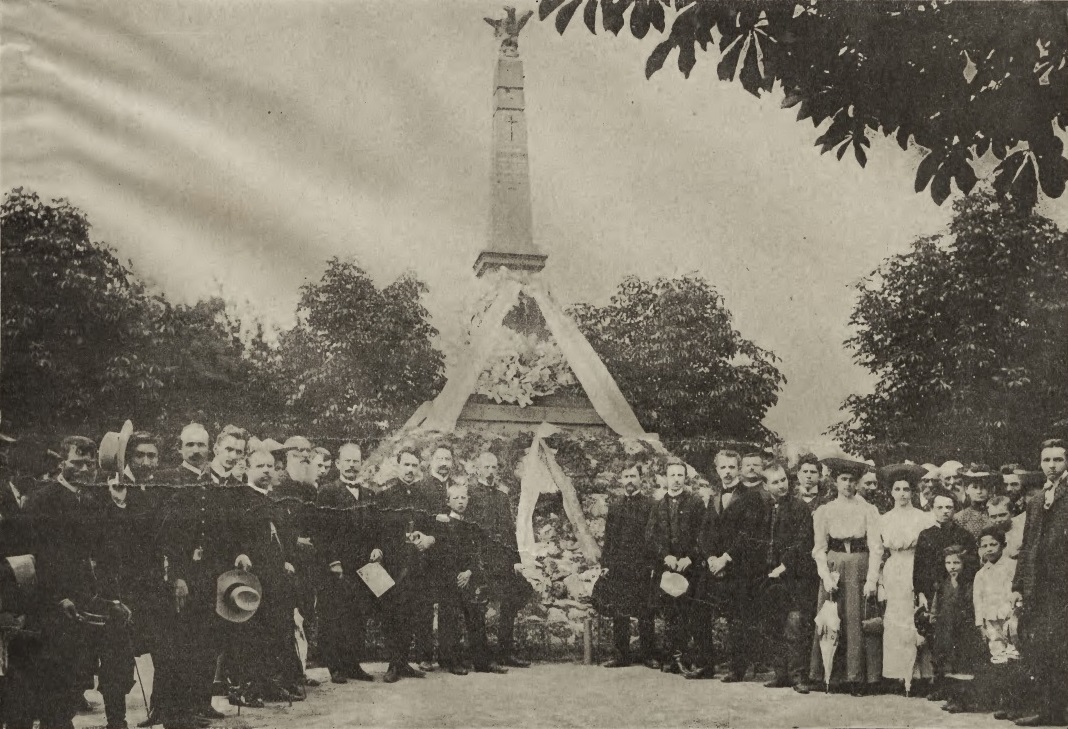
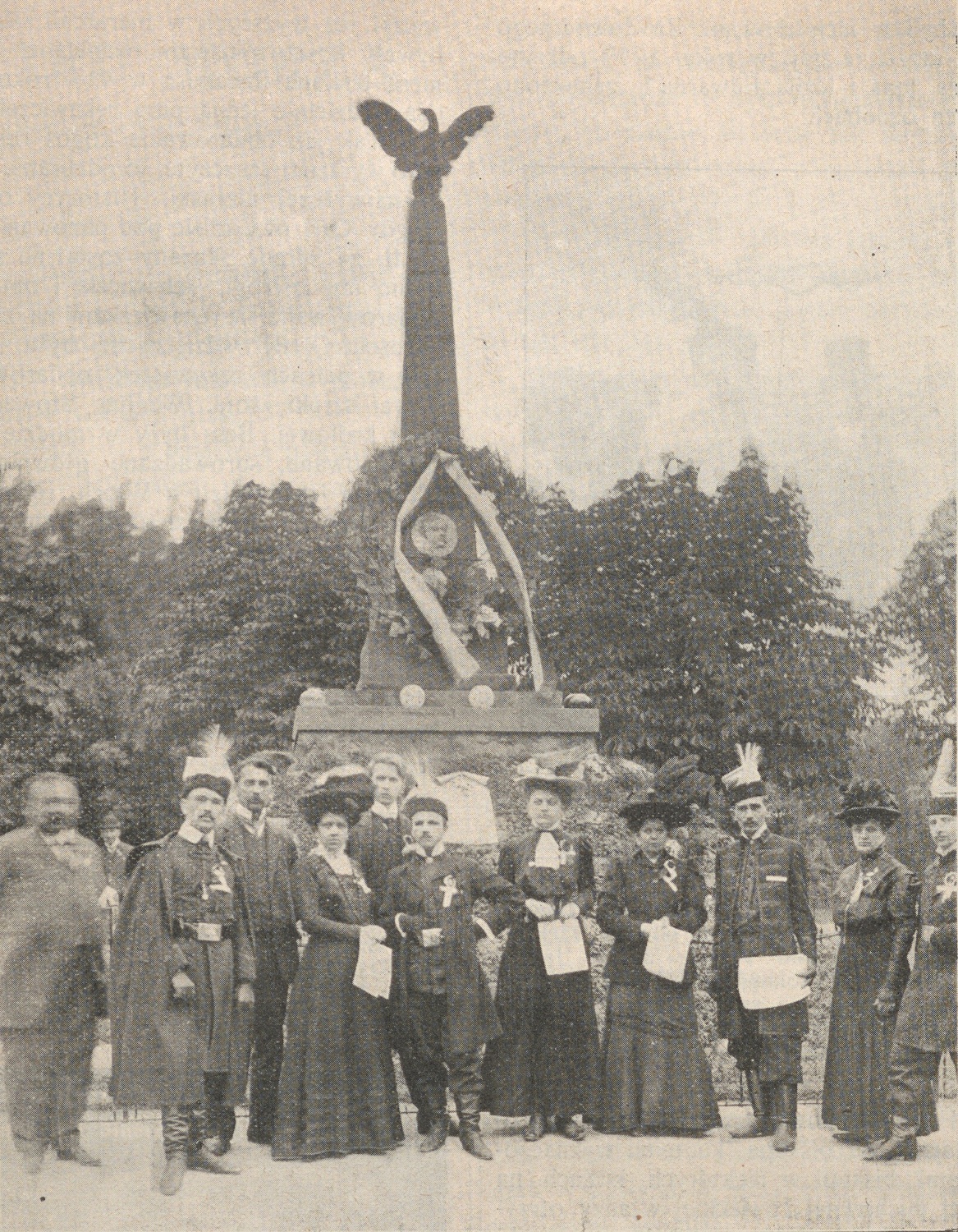
As for radicalization, it manifested itself not only in visual signs (such as weapons on the hearse or the presence of socialists at the service). Some newspapers claimed that every empire, which had taken part in the partition of the Polish-Lithuanian Commonwealth, was an occupier and assimilator, thus contradicting the typical narrative about Austria allowing the Poles to develop as a nation.
After the traditional hymn "Boże coś Polskę", the demonstration split up. The crowd began to disperse, the "youth" carrying wreaths setting off to the Góra Stracenia. According to patriotic newspapers, "thousands" gathered there. They honored not only the two insurgents executed on the hill but also those five persons who died in the Warsaw Fortress on 5 August 1864. In other words, the action was becoming increasingly nationwide.
In addition to the wreaths decorated mainly in white and red, the participants carried torches and lamps. The usual groups associated with the Kościuszko, Kiliński and Gwiazda societies were joined by numerous workers and agitators from the Polish Social Democratic Party. One of them even spoke in Ukrainian. In addition to patriotic songs, "The Red Flag" ("Czerwony sztandar" was sung as well.
There were also the usual allusions to scriptural themes. The patriotic press published a description of the events of 60 years before in which the rebels looked like heroes and the people around them like sympathetic patriots. According to those reports, officials had even changed the usual route from the prison to the Góra Stracenia so that the people of Lviv could not throw flowers at the prisoners. At the same time, the guards made sure that people who came to pray did not steal the bodies of the "martyrs. Therefore, they were treated with lime and quickly buried.
There were also the usual allusions to scriptural themes. The patriotic press published a description of the events of 60 years before in which the rebels looked like heroes and the people around them like sympathetic patriots. According to those reports, officials had even changed the usual route from the prison to the Góra Stracenia so that the people of Lviv could not throw flowers at the prisoners. At the same time, the guards made sure that people who came to pray did not steal the bodies of the "martyrs". Therefore, they were treated with lime and quickly buried.
The conservative Polish press reacted to the event with restraint. It was reported that, on the initiative of patriotic societies, a service was celebrated in the Latin Cathedral in memory of the insurgents executed in Warsaw and Lviv.