

Commemorations of the Polish January Uprising (1888, 1913)
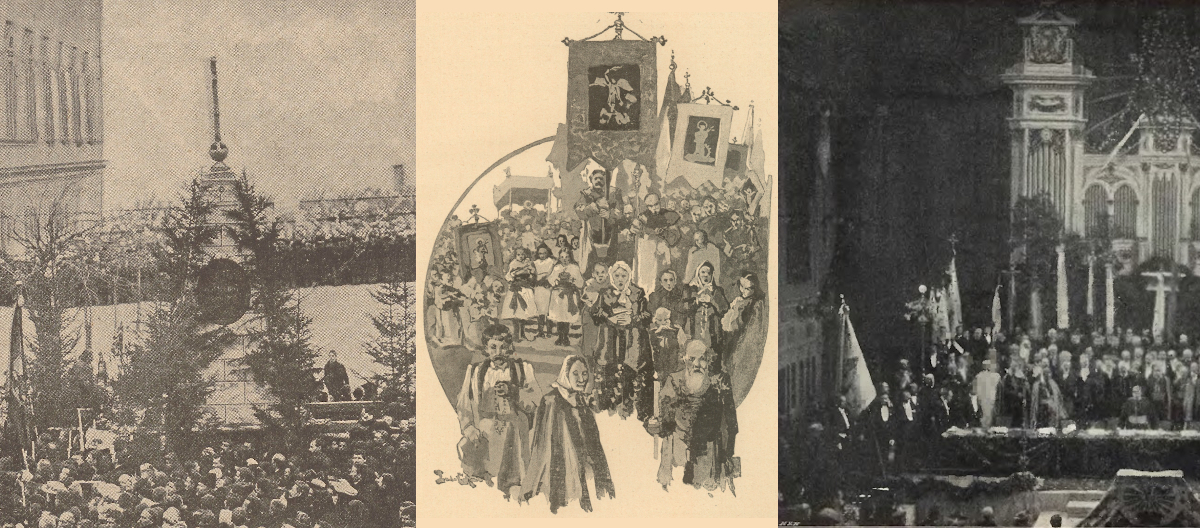
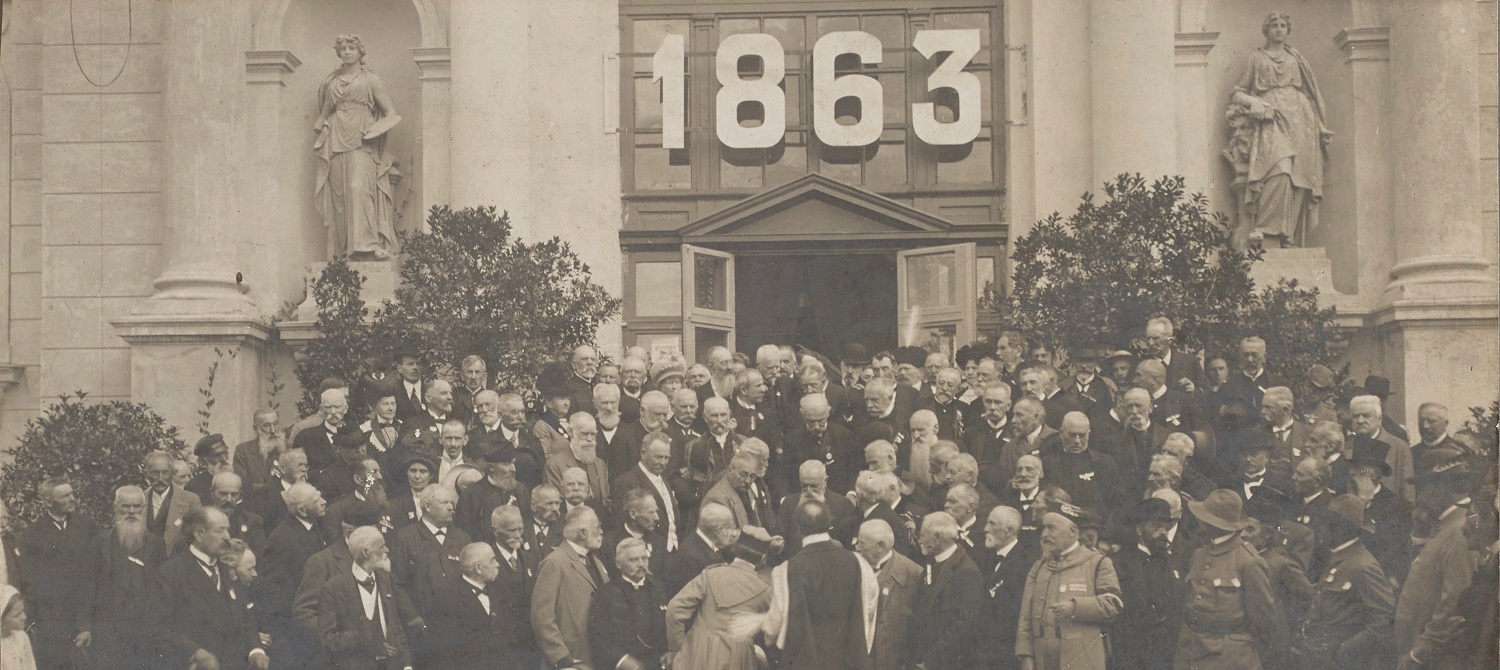
The anniversary of the January Uprising is an important date for the Polish national movement. Given the political situation and the level of freedoms in different parts of the divided Polish-Lithuanian Commonwealth (German, Austrian and Russian), it is natural that the most favorable conditions for celebrating such anniversaries were present in Galicia.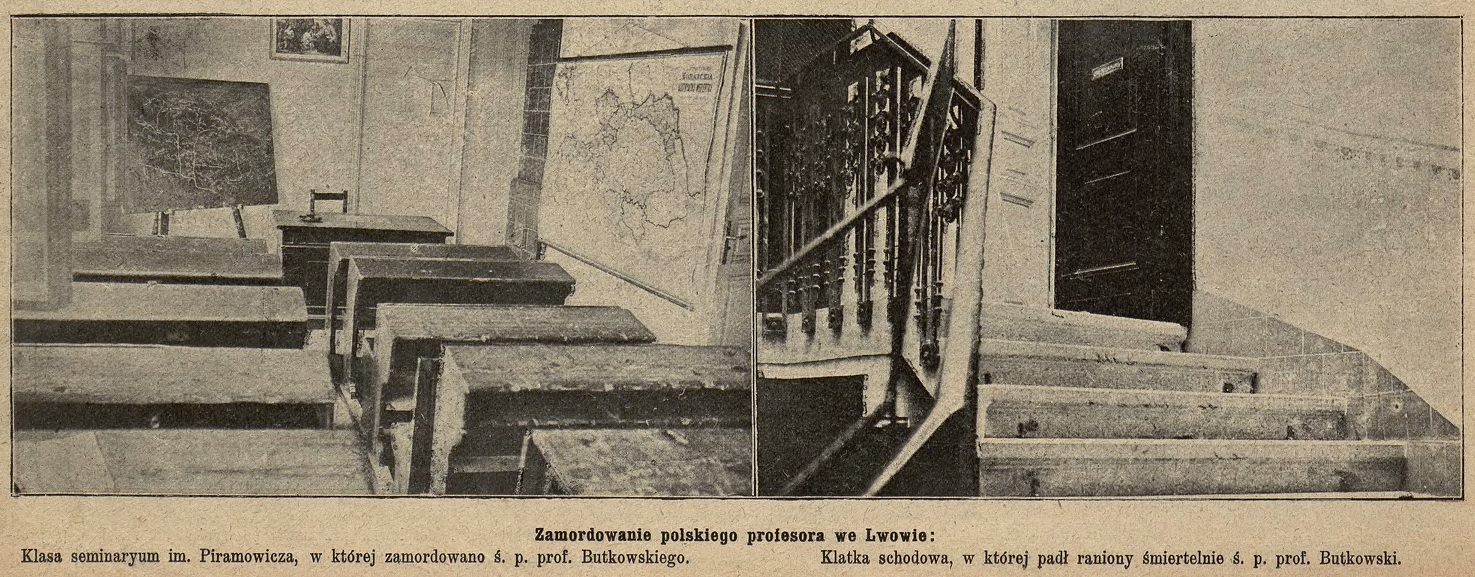
The murder of Butkowski, a seminary professor, by Dzhehala, a student (1913)
On 11 June 1913, Illia Dzhehala, a student of the teacher seminary, shot dead Karol Butkowski, a professor. This event, as well as the demonstrations it provoked, not only revealed the radicalization of young people and their desire to solve problems with a gun but also showed the trajectory of the Ukrainian-Polish confrontation.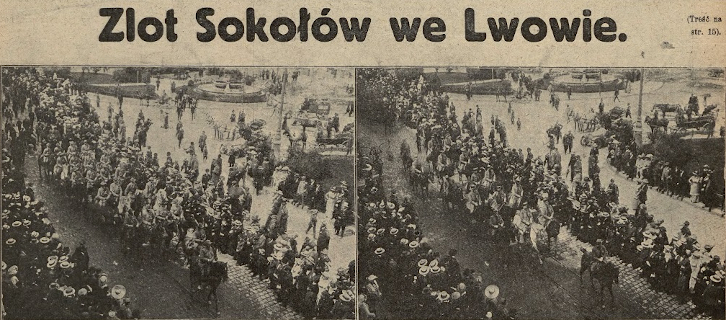
The "war game" of the Polish Sokół in Lviv (1913)
In 1913, Lviv hosted not just a regular Sokół's rally, but a real military demonstration. On the occasion of the 50th anniversary of the January Uprising, more than 8,000 armed and equipped members of the gymnastic society and scouts held a "training" on the topic of "the battle for Lviv against the Russian army".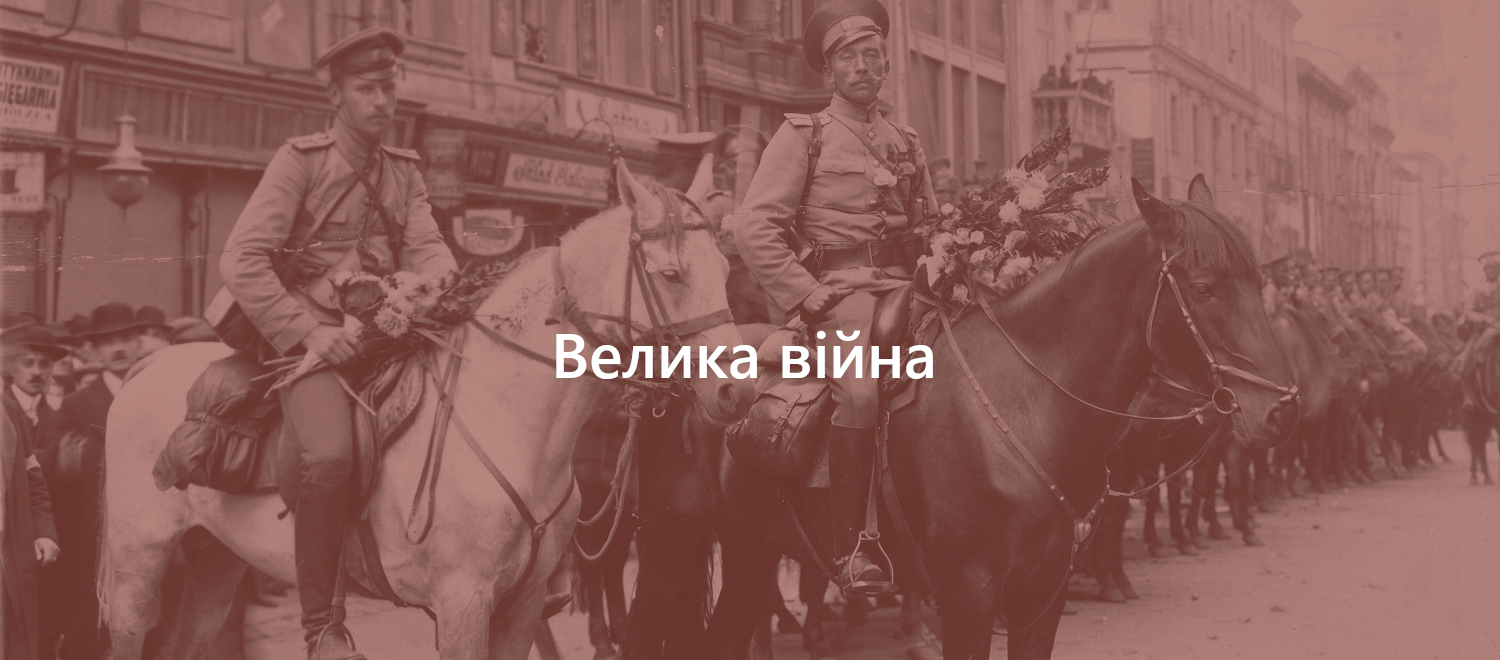
The city and the Great War: mass street politics in Lviv during the First World War
The Great War intensified political processes that seemed to have died down due to the limitations imposed by military administrations. Local politicians, however, continued to look for ways to express themselves in the urban space.This topic summarizes and problematizes the mass events that took place in Lviv during the First World War.
Shevchenko's Sokil's Rally (1914)
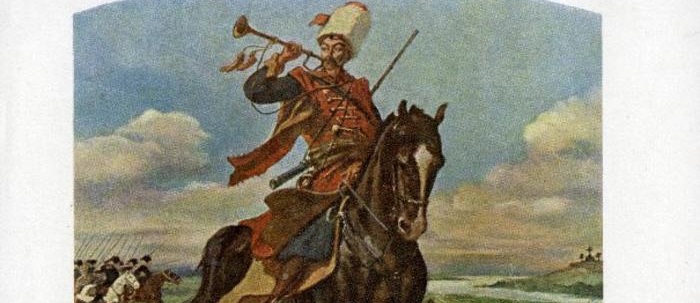
On June 28, 1914, a large-scale celebration of the 100th anniversary of Taras Shevchenko's birth, known as “Shevchenko's Rally,” took place in Lviv. According to the organizers' plan, this event was supposed to demonstrate the organizational and physical readiness of Ukrainians in Galicia for the upcoming war against the backdrop of growing Ukrainian-Polish tensions.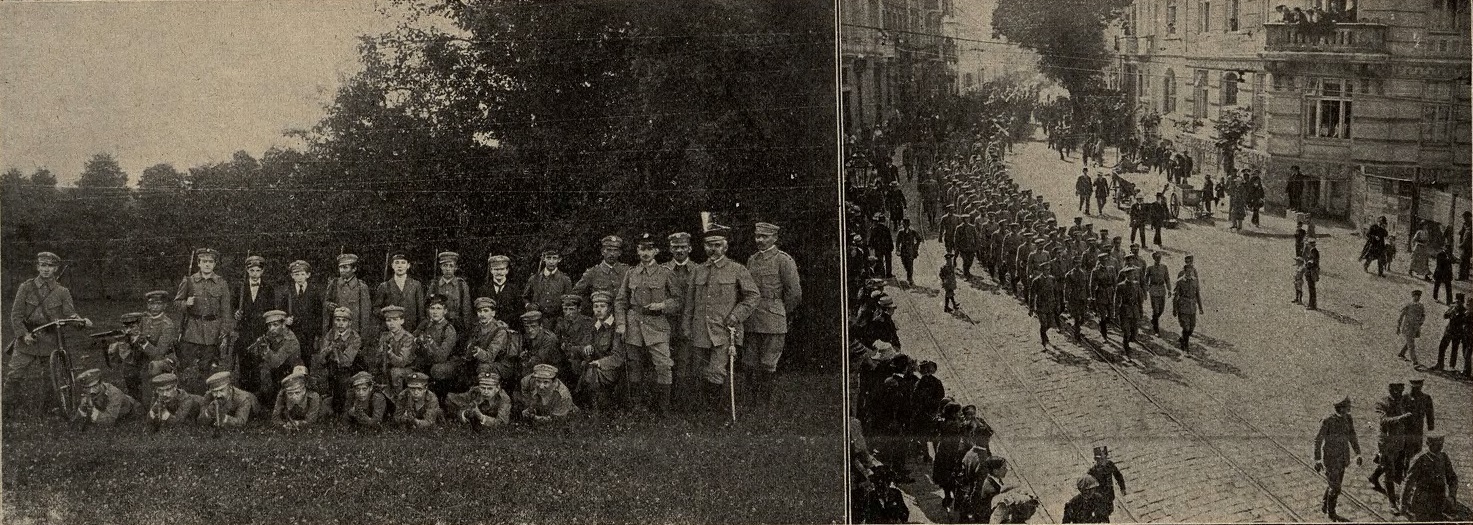
Patriotic manifestations at the beginning of the First World War
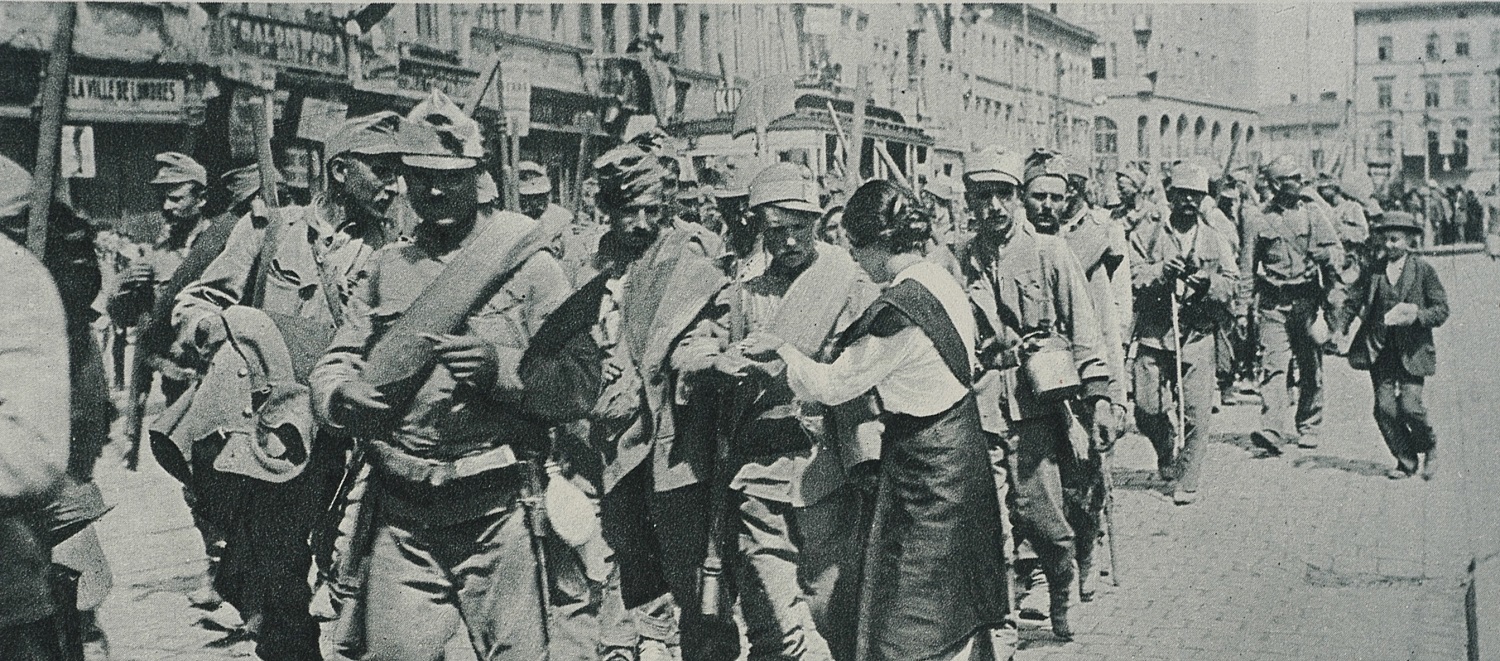
In summer 1914, the solemn marches, rallies, speeches took place in the city to demonstrate loyalty, imperial patriotism and support for the army. All other events were either cancelled or postponed indefinitely.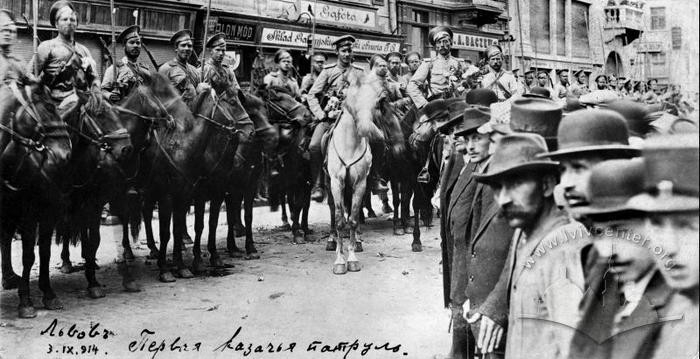
Mass events during the Russian occupation of Lviv (1914-1915)
After repressions by the occupation authorities, the only legal way of manifestation in Lviv were Roman Catholic religious celebrations. This allowed the Poles to emphasize their identity through their denomination and, in addition, events were also celebrated according to the Gregorian calendar, while the Russians had made the Julian calendar official.